The official home of the Roman Catholic Diocese of Antipolo in the Philippines — sharing bishop's messages, parish directories, news, reflections, and community updates from across our vicariates.
Read Latest Updates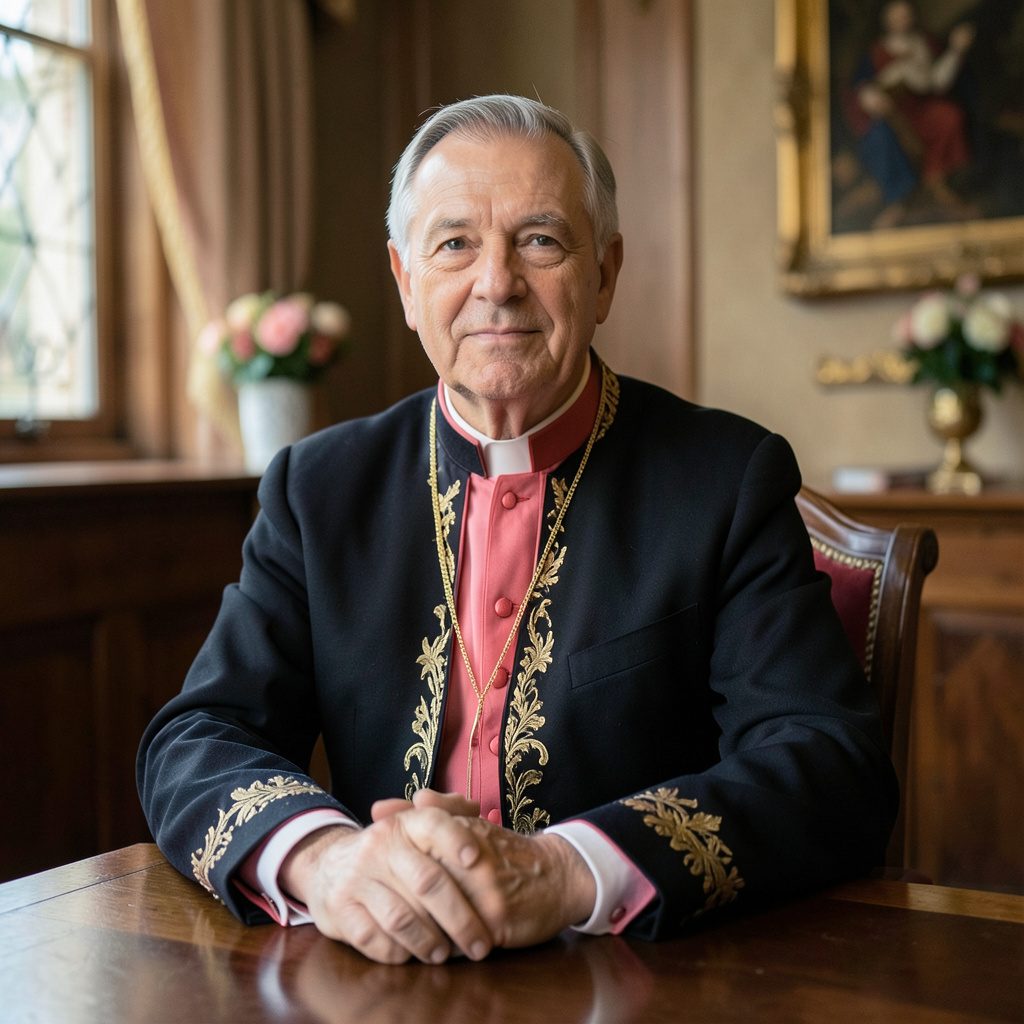
This Week in the Diocese
- Bishop's Corner — weekly reflection from the diocese
- Parish Day celebrations across the vicariates
- Vocation Months — formation and discernment events
- Reflections, news, and gallery updates daily
A guide to the Divine Mercy Chaplet
The Divine Mercy Chaplet is a short, Christ-centred prayer that places trust in God’s mercy and brings the needs of the world before him. It is commonly prayed with ordinary rosary beads, either individually or with a parish community.
For Catholics in Australia, the chaplet can fit naturally into daily life: before the school run in Melbourne, during a quiet commute in Sydney, or with a Filipino Catholic prayer group in Brisbane. Its simple structure makes it suitable for homes, chapels, hospital visits, and parish gatherings.
What the chaplet means
The chaplet reflects the message associated with Saint Faustina Kowalska, a Polish nun and mystic whose spiritual diary emphasised confidence in the merciful love of Jesus. The prayer asks God to have mercy on us and on the whole world, bringing personal struggles and wider suffering into the presence of Christ.
Its central attitude is trust. This does not mean ignoring sin, grief, injustice, or responsibility. Instead, it means recognising that God’s mercy is greater than human weakness and that conversion remains possible through grace.
The familiar image of Divine Mercy shows Jesus with rays of red and pale light flowing from his heart. These rays are traditionally understood as signs of the blood and water associated with Christ’s saving work.
How the prayer is arranged
The chaplet is usually prayed on rosary beads. It begins with the Sign of the Cross, followed by an opening sequence that includes the Our Father, the Hail Mary, and the Apostles’ Creed. Some people also use a brief invocation asking for mercy.
The five decades have a repeated pattern. On each large bead, the person praying says:
“Eternal Father, I offer you the Body and Blood, Soul and Divinity of your dearly beloved Son, our Lord Jesus Christ, in atonement for our sins and those of the whole world.”
On each of the ten small beads, the response is:
“For the sake of his sorrowful Passion, have mercy on us and on the whole world.”
After the five decades, the chaplet traditionally ends with the words “Holy God, Holy Mighty One, Holy Immortal One, have mercy on us and on the whole world,” prayed three times. A closing prayer may be added according to local custom.
When Catholics pray it
Many Catholics pray the chaplet at three o’clock, recalling the hour associated with the death of Jesus. This is often called the Hour of Great Mercy. It can be prayed at that time when possible, but the value of the prayer does not depend on following a rigid timetable.
The chaplet is also appropriate before Mass, after receiving difficult news, during a period of illness, or when praying for someone who has died. Families might pray it in the evening, while a parish group could include it in a Holy Hour or a Friday devotion.
In Australia, the practical setting may vary widely. A parish in regional Queensland may gather in a small church with limited weekday access, while a large parish in western Sydney may coordinate prayer through a Filipino community, school network, or online noticeboard. The devotion can be adapted without losing its essential form.
A simple way to begin
Choose a quiet place and allow a few moments to become still. You may use rosary beads, a printed prayer card, or your fingers if no beads are available. Begin with the Sign of the Cross and place the intention of the prayer before God.
The intention might be a family member, a parish, victims of war, people facing addiction, or those who feel distant from the Church. It is also fitting to pray for personal conversion. The repeated words are not meant to be rushed; their rhythm can help the mind return to trust when it becomes distracted.
Digital habits can affect prayer time, especially when notifications compete for attention. Setting a phone to silent can help create space for recollection. Choosing prayer over unhelpful online distractions, including roulette distractions, is one small way to protect attention and practise responsible stewardship of time.
Building a regular prayer habit
A consistent practice is usually easier when linked to an existing part of the day. The chaplet might follow breakfast, begin after the evening news, or take place before children prepare for bed. It generally takes around ten to fifteen minutes, depending on the pace of prayer and any additional reflection.
These practical habits can help:
- Keep a rosary and prayer card in a familiar place.
- Begin with one decade if a full chaplet feels difficult.
- Pray slowly rather than treating the words as a task to complete.
- Include a specific person or situation in each decade.
- Join a parish or online prayer group for regular support.
- Teach children the repeated responses before explaining every detail.
- Allow silence before or after the final prayer.
The chaplet should support a wider life of faith rather than replace Sunday Mass, Scripture, sacramental confession, or works of charity. Mercy received in prayer should gradually shape the way Christians speak, forgive, serve, and respond to people in need.
Praying with others
A parish-led chaplet can be especially meaningful during Lent, Holy Week, Divine Mercy Sunday, or times of local crisis. A leader may announce each part of the prayer while the congregation responds together. In a parish hall, a hospital chapel, or a school prayer space, clear pacing helps people of different ages participate confidently.
Catholic communities across Australia often include people from many cultural backgrounds. In Sydney and Melbourne, a chaplet may be prayed in English alongside Filipino, Polish, Vietnamese, or other devotional traditions. Providing the text in advance and explaining the structure briefly can help visitors feel welcome without making the gathering unnecessarily formal.
Families and parish groups can also connect the prayer with practical mercy. After praying, they might visit someone who is isolated, prepare food for a community pantry, support a local refugee service, or make time for reconciliation at home. In this way, the chaplet becomes more than a repeated formula: it becomes a school of compassion rooted in the mercy of Christ.
Contact the Diocese
Reach the diocesan offices for inquiries about parishes, sacraments, ministries, and PPCRV resources including the One Good Vote Campaign and Voter Verification.
- Diocesan Curia
- Diocese of Antipolo, Philippines
- Social Communication
- Official Facebook & Twitter feeds linked from the site
- PPCRV
- Pastoral Social Communication and Religious Education