The official home of the Roman Catholic Diocese of Antipolo in the Philippines — sharing bishop's messages, parish directories, news, reflections, and community updates from across our vicariates.
Read Latest Updates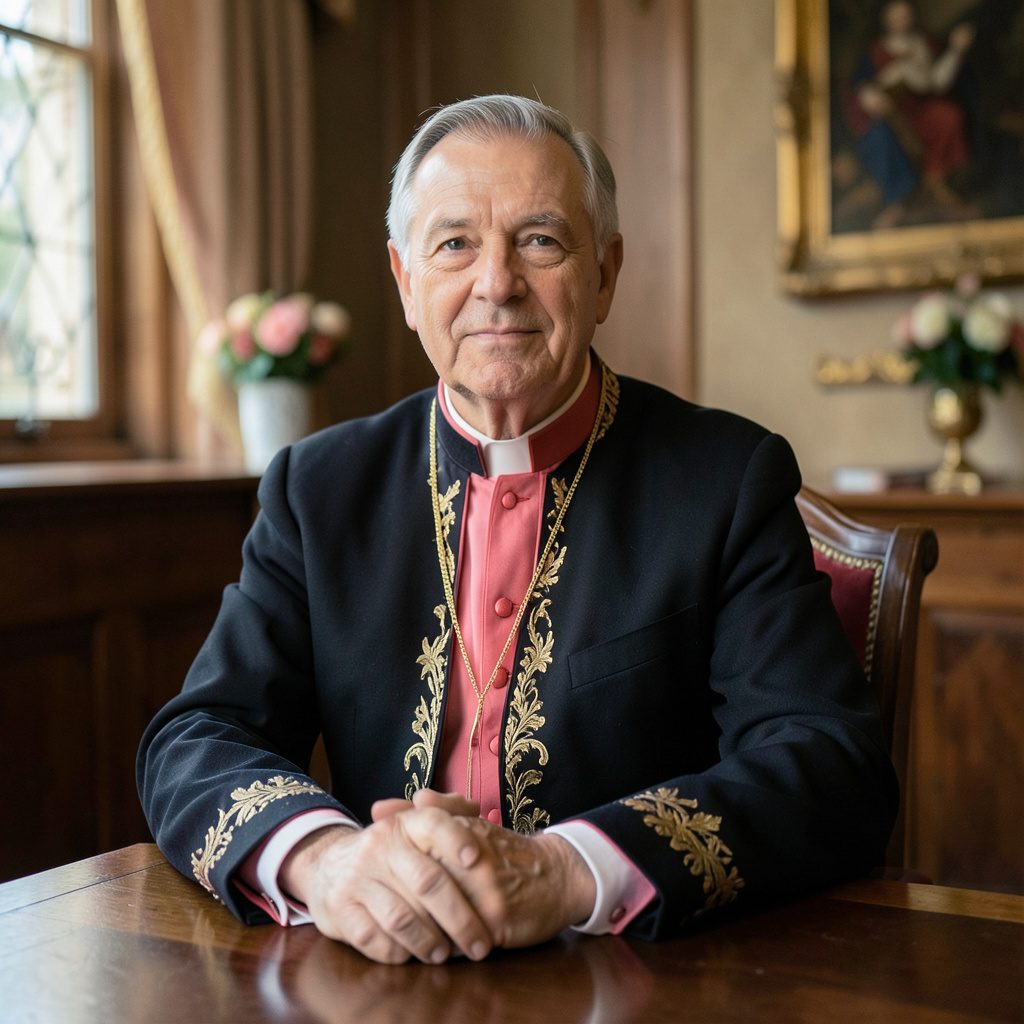
This Week in the Diocese
- Bishop's Corner — weekly reflection from the diocese
- Parish Day celebrations across the vicariates
- Vocation Months — formation and discernment events
- Reflections, news, and gallery updates daily
A Guide to the Liturgical Year
The Catholic Church does not simply measure time by the ticking of a calendar or the rush of a work week. Instead, it walks through history alongside Christ through a sacred rhythm of seasons, feasts, and ordinary days known as the liturgical year. For Catholics in Australia, whether gathering in a parish in Parramatta, joining a Filipino community in Fremantle, or praying quietly in a chapel in Hobart, this calendar offers a way to make sense of time itself, turning weeks into a journey of faith.
Understanding the liturgical year helps believers enter more deeply into the mysteries they celebrate at Mass and in their personal prayer. It also connects them to a universal Church that spans continents while rooting their worship in local realities, from the long summer evenings that follow Christmas Day in Brisbane to the cool autumn mornings when Ash Wednesday arrives in Melbourne.
What the Liturgical Year Is
The liturgical year is the structured cycle of seasons, feasts, and commemorations that the Catholic Church uses to organise its worship. Rather than following the civil calendar alone, the Church overlays a sacred pattern that begins with the First Sunday of Advent and closes with the feast of Christ the King.
At its heart, this rhythm is a remembering. It invites the faithful to relive the saving events of Christ's life, death, and resurrection as present realities. Each season has its own scripture readings, prayers, vestment colours, and liturgical music that shape the experience of worship.
For Australian Catholics, this rhythm often runs alongside seasonal weather that contrasts sharply with the northern hemisphere. When parishes in Sydney celebrate a winter Advent in June and July, those in southern states anticipate Advent during their spring, while communities near the equator experience seasonal change differently altogether.
The Two Great Cycles
The liturgical year is built around two central cycles, each anchored to a major feast. The Christmas cycle begins with Advent and culminates in the Epiphany and the Baptism of the Lord, while the Easter cycle stretches from Septuagesima through Pentecost and forms the heart of the Church's worship.
The Easter cycle carries greater theological weight because it celebrates the paschal mystery, the death and resurrection of Jesus Christ. Lent, the Paschal Triduum, and Eastertide together make up roughly a quarter of the liturgical year, drawing the faithful into reflection, fasting, and finally rejoicing.
Parishes around Australia adjust their schedules around these cycles. Many Catholic schools in Adelaide and Perth plan their term breaks to coincide with Holy Week, and liturgical ministers receive formation in the months leading up to these solemn celebrations.
Ordinary Time and Its Quiet Work
Between the two great cycles lie the long stretches known as Ordinary Time, periods that take up roughly thirty-three or thirty-four weeks of the year. The word "ordinary" here does not mean unimportant. It comes from "ordinal," referring to the numbered weeks that count the Church's journey through the year.
These weeks offer space for growth, discipleship, and the gradual formation of Christian character. The readings follow semi-continuous tracks, with Year A drawing from Matthew, Year B from Mark, and Year C from Luke, allowing the faithful to encounter the breadth of Christ's teaching over three years.
Many Australian Catholics experience Ordinary Time as a season for service projects, marriage preparation, baptismal catechesis, and ongoing faith formation. Parishes in Brisbane's western suburbs often use these quieter weeks to host youth ministry retreats and outreach to local multicultural communities.
Saints, Solemnities, and Memorials
Sprinkled throughout the year are celebrations of saints and feasts that give the Church a rich cast of witnesses. Solemnities are the highest rank, marked by obligatory Mass and special prayers, while feasts and memorials are observed with varying degrees of celebration.
These commemorations remind the faithful that holiness is not confined to one era or place. The Australian calendar includes saints with particular local resonance, such as Mary MacKillop, whose memorial is celebrated across the country and whose story inspires many parish schools.
Other universal saints appear as well, from ancient martyrs to modern missionaries. Many Filipino-Australian Catholics in parishes around Blacktown or Dandenong observe feasts connected to their heritage, such as Santo Niño, blending universal devotion with cultural identity.
Advent and Lent as Seasons of Preparation
Two seasons stand out as periods of intentional preparation. Advent, lasting four weeks before Christmas, invites reflection on the coming of Christ in history, in the present, and at the end of time. Lent, the forty days before Easter, calls the faithful to prayer, fasting, and almsgiving.
Both seasons offer practices that extend beyond the parish walls into daily life. Families in Sydney might mark Advent with a wreath at home, while parishioners in regional towns gather for Stations of the Cross each Friday of Lent. Schools often link students to wider community needs during these weeks.
Easter trading hour legislation in states like New South Wales and Western Australia means many shops remain closed on Good Friday and Easter Sunday, creating public space for families to observe the Triduum together. This quietness, rare in modern commercial life, offers a tangible way for wider society to encounter the season.
Living the Calendar in Parish and Home
A liturgical year is only meaningful when it shapes the rhythm of daily life. Parishes communicate this through bulletins, websites, and formation programs, helping the faithful track the current season and understand its prayers and readings.
Practical resources include the Roman Missal, the Liturgy of the Hours, and diocesan calendars that list local feast days. The Diocese of Antipolo and partner dioceses around the world offer similar tools, including apps that send reminders for daily readings.
A few simple habits can anchor the liturgical year in ordinary Australian life:
- Blessing the home during Epiphany by writing the year and the initials of the three wise men above the doorway
- Keeping an Advent wreath in the living room, lit each evening as a family gathers
- Choosing a patron saint each year and learning about their life through prayer and reading
- Attending weekday Mass during Lent or Advent to mark the season
Going Deeper into the Liturgical Year
For those who wish to explore further, several trusted resources can guide prayer and study throughout the year. These companions help bridge the universal rhythms of the Church with the lived experience of Australian Catholics, whether in city parishes or remote communities.
Helpful resources for ongoing formation include:
- The Vatican's online liturgical calendar, which lists every feast and its readings
- The Australian Catholic Bishops Conference website, with national pastoral resources
- Local diocesan publications that highlight saints and feasts celebrated in Australia
- Faith formation programs offered by parishes and Catholic education offices
The liturgical year is not a burden but a gift, an invitation to live each day in companionship with Christ and the communion of saints. Whether the seasons bring summer heat or winter chill, parishes around the world walk this calendar together, bound by the same saving mysteries and the same hope of resurrection.
Contact the Diocese
Reach the diocesan offices for inquiries about parishes, sacraments, ministries, and PPCRV resources including the One Good Vote Campaign and Voter Verification.
- Diocesan Curia
- Diocese of Antipolo, Philippines
- Social Communication
- Official Facebook & Twitter feeds linked from the site
- PPCRV
- Pastoral Social Communication and Religious Education