The official home of the Roman Catholic Diocese of Antipolo in the Philippines — sharing bishop's messages, parish directories, news, reflections, and community updates from across our vicariates.
Read Latest Updates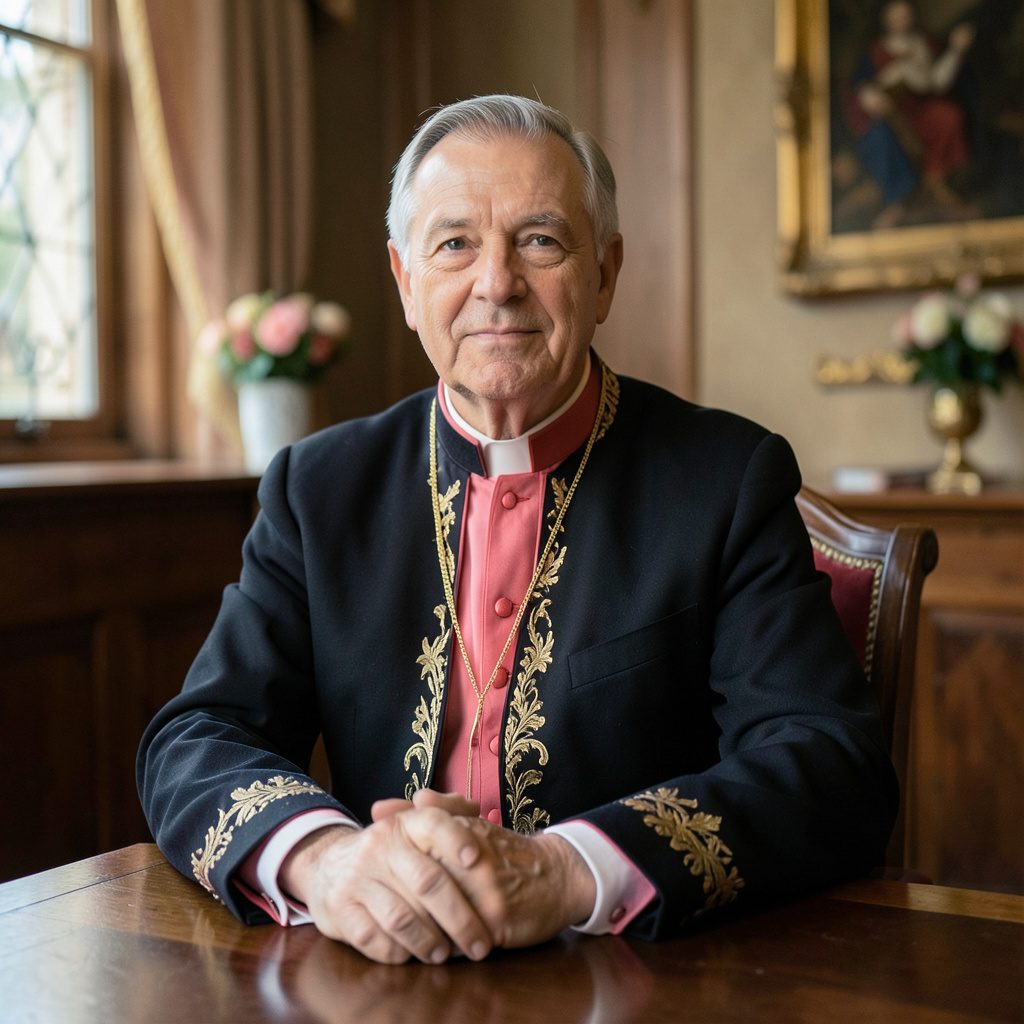
This Week in the Diocese
- Bishop's Corner — weekly reflection from the diocese
- Parish Day celebrations across the vicariates
- Vocation Months — formation and discernment events
- Reflections, news, and gallery updates daily
How the diocesan curia serves the Church in Antipolo
The diocesan curia is the administrative and pastoral centre that helps a bishop guide the life of a local Church. In the Diocese of Antipolo, its offices support parishes, clergy, religious communities, schools, ministries and lay faithful across a rapidly growing part of the Philippines. While much of this work happens behind the scenes, it shapes worship, evangelisation, formation, charitable service and communication throughout the diocese.
For Catholics in Australia, the curia can be understood as the structure that connects the bishop’s ministry with the daily needs of parish communities. A family in Sydney seeking baptism information, a parish in Melbourne reviewing safeguarding procedures, or a Filipino Catholic community in Brisbane staying connected with Antipolo may encounter similar diocesan systems, even though local policies and pastoral customs differ.
A profile of these offices reveals a practical network rather than a single department. Each area has a distinct responsibility, yet the offices work together to serve communion, uphold Church law, manage resources and encourage participation in the mission of Christ. The diocesan website helps make this work visible through official notices, directories, reflections, news, events and faith resources.
The bishop’s office and diocesan leadership
The bishop is the principal shepherd and teacher of the diocese. His office provides pastoral direction, communicates priorities and represents the Diocese of Antipolo in the wider Catholic Church. Messages from the bishop often address prayer, social responsibility, major liturgical seasons, diocesan celebrations and the needs of communities facing hardship.
Supporting the bishop are advisers and administrative staff who help translate pastoral priorities into workable programmes. They may coordinate meetings, prepare official correspondence, support parish visits and maintain communication with vicariates and diocesan institutions. This role is especially important in a densely populated region where urban expansion, migration and changing family circumstances affect parish life.
The chancellor and official records
The chancellor’s office is commonly responsible for diocesan documentation and the proper recording of official acts. This can include decrees, appointments, parish records, correspondence and information relating to the governance of ecclesial institutions. Accurate records protect the rights of the faithful and help ensure continuity when clergy or officeholders change.
The office may also assist with certificates, permissions and canonical documentation. In Australia, where parishioners may move between cities such as Perth, Adelaide and Canberra, reliable sacramental records are equally important for weddings, confirmations and other stages of Christian life. Clear procedures allow parishes to serve mobile families while respecting privacy and Church requirements.
Pastoral planning and parish support
Pastoral offices help parishes put the Gospel into practice through catechesis, liturgy, family ministry, youth programmes, small Christian communities and lay formation. They may provide guidelines, organise diocesan gatherings and assist parish leaders in responding to local needs. Vicariates can offer an additional layer of coordination, allowing nearby parishes to share resources and plan common initiatives.
The realities of Antipolo include large residential developments, traffic congestion, varied income levels and a strong culture of parish participation. Pastoral planning must therefore be attentive to working families, young people, migrants and communities with limited access to transport. Comparable concerns appear in Australian dioceses, where Sunday Mass times, regional distances and multicultural parish communities influence how ministries are organised.
The clergy, vocations and formation offices
An office for clergy affairs supports priests and deacons in their pastoral responsibilities, ongoing formation and personal welfare. It may assist with appointments, retreats, professional development and coordination between parish priests and diocesan leadership. Good administration gives clergy clearer support as they accompany people through worship, counselling, education and community service.
Vocations and seminary formation focus on helping men discern calls to the priesthood, while related ministries encourage religious vocations and lay leadership. This work requires patience and careful accompaniment. In Australia, vocation promotion often takes place through school visits, youth gatherings, parish networks and events such as World Day of Prayer for Vocations. The same spirit of discernment can connect Filipino-Australian families with the Church in Antipolo.
The finance and property office
Financial administration enables the diocese to sustain parishes, offices, schools, formation programmes and charitable works. A finance office may oversee budgets, audits, accounts, fundraising policies, payroll, investments and financial reporting. Property responsibilities can include maintenance, construction, insurance and the responsible use of parish buildings.
This work calls for transparency and stewardship. Australian Catholics are familiar with parish planned giving, electronic donations, raffles, appeals and community fundraising, while Filipino parishes may use different customs and local arrangements. In either setting, financial decisions should serve worship and mission rather than become an end in themselves. Sound controls also help protect donors, staff, volunteers and parish assets.
The judicial and canonical offices
The diocesan tribunal and canonical offices apply the law of the Church to particular situations. Their work may involve marriage cases, dispensations, permissions, formal declarations and advice on parish or institutional governance. These offices are not simply administrative departments; they help the Church act fairly, carefully and pastorally.
People who approach a tribunal may be experiencing grief, uncertainty or family stress. Sensitive listening, confidentiality and clear explanations are therefore essential. Australian dioceses also maintain tribunal services for Catholics across metropolitan and regional areas, and Filipino Catholics living in Sydney, Melbourne or Brisbane may need to work with more than one parish or diocese when gathering documentation.
Communications, education and social action
The communications office shares verified diocesan information through websites, social media, newsletters, media statements, photography and event coverage. It helps parishioners find Mass information, announcements, formation resources and stories of service. For a global audience, digital communication also keeps overseas Catholics connected with the life of Antipolo.
Education and social action offices extend the Church’s mission beyond administration. Catholic schools, catechetical programmes, youth ministry, disaster assistance, health initiatives and support for vulnerable families all require coordination. In Australia, these concerns may include support during bushfires and floods, settlement assistance for migrants, food relief and safeguarding requirements such as Working With Children Checks. The local details differ, yet the underlying call to serve human dignity remains shared.
The curia works best when its offices are connected by a common pastoral purpose. Through leadership, records, formation, finance, canonical care, communication and social outreach, it helps the Diocese of Antipolo remain organised and responsive. Its value is measured in the life of parishes: faithful worship, prepared ministers, responsible stewardship, informed communities and practical care for people in need.
For visitors to the diocesan website, the curia profile offers a way to understand how the Church’s mission is coordinated. It also shows why directories, bishop’s messages, news updates, galleries and faith resources matter. These are points of contact between diocesan structures and the people they exist to serve.
Contact the Diocese
Reach the diocesan offices for inquiries about parishes, sacraments, ministries, and PPCRV resources including the One Good Vote Campaign and Voter Verification.
- Diocesan Curia
- Diocese of Antipolo, Philippines
- Social Communication
- Official Facebook & Twitter feeds linked from the site
- PPCRV
- Pastoral Social Communication and Religious Education