The official home of the Roman Catholic Diocese of Antipolo in the Philippines — sharing bishop's messages, parish directories, news, reflections, and community updates from across our vicariates.
Read Latest Updates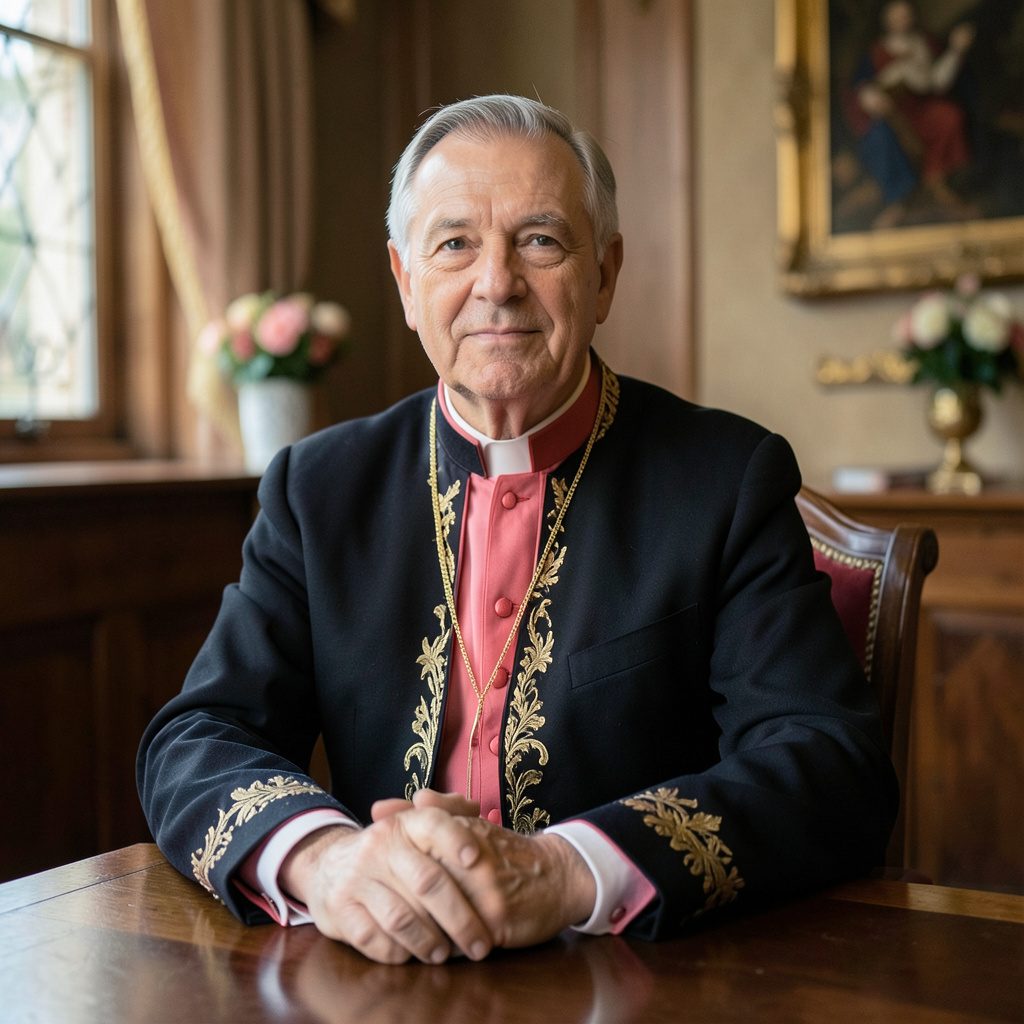
This Week in the Diocese
- Bishop's Corner — weekly reflection from the diocese
- Parish Day celebrations across the vicariates
- Vocation Months — formation and discernment events
- Reflections, news, and gallery updates daily
How to prepare for the Anointing of the Sick
The Anointing of the Sick is one of the Church’s seven sacraments, offered to people whose health has been seriously weakened by illness, injury or the effects of advanced age. Also called the Last Rites in some Australian Catholic communities, it is a prayer of healing, strength and peace, not a declaration that death is near. It does not replace medical treatment or predict how long someone will live.
Preparation can combine ordinary paperwork with pastoral care. A person may wish to receive the sacrament at home, in hospital or in a residential aged-care setting, and may also ask for Reconciliation and Communion. Speaking early with a priest allows the family to arrange a calm visit, understand the rite and attend to the sick person’s wishes without haste.
Local circumstances matter. In Sydney, Melbourne, Brisbane and smaller regional towns, access to a priest may depend on distance, parish staffing and hospital chaplaincy. Australia’s public hospitals operate within Medicare, while prescriptions are commonly obtained through a chemist. State and territory legislation, along with federal privacy law, also shapes how health information and personal decisions are handled.
Choosing the right time
Contact the local Catholic parish before the person becomes very weak or confused. A priest may be needed for Reconciliation, Eucharist or Anointing, and visits may require scheduling around hospital rounds, work or travel from another parish. A hospital chaplain can be contacted through ward staff, though a particular priest may not be available immediately.
The sacrament may be received whenever serious illness, injury or frailty creates a need for the Church’s healing and strength, including well before the final stage of life. It can be repeated if a new grave illness occurs. If symptoms suggest an emergency, call 000 and seek medical help first; arranging a priest should never delay urgent treatment.
Preparing the home and hospital plan
At home, prepare a clean, comfortable chair or bed area, a lamp, water and any usual hearing aids or glasses. Keep medicines in their labelled containers and leave space for the priest to work safely around medical equipment. A person with a sensitive skin condition or fragrance allergy should mention it beforehand, allowing the priest to make a suitable pastoral arrangement.
In a public or private hospital, ask the ward nurse or patient-services desk to arrange a Catholic priest or chaplain and check visiting hours, parking and infection requirements. Bring a short medication and allergy list, the general practitioner’s details, Medicare information and any advance care directive. These records help ministers and medical staff coordinate care without interfering with treatment or privacy.
Digital security is also relevant, particularly when an older person in Australia is receiving many unfamiliar messages. Fraudsters may impersonate priests or charities and request urgent payments in cryptocurrency. An academic analysis of claims about cryptocurrency gaming illustrates why specialised online assertions should be checked against evidence and source purpose. Neither an unsolicited message nor online material should replace advice from the parish, doctor or pharmacist.
Prayer and family participation
Let the sick person take the lead. Ask what prayer, music or Scripture would be comforting, who should be present, and whether Reconciliation and Communion are desired. If the person cannot speak clearly, a family member or carer can explain known wishes, while the priest assesses what can be asked of the patient.
Personal preparation may include a simple examination of conscience, confession if needed, forgiveness and a quiet act of trust in God. Families can prepare familiar prayers, but the priest should lead the sacramental rite and the room should remain focused on the patient rather than discussion of medical details. No fasting is normally required for the Anointing itself.
What happens during the rite
A priest authorised to minister in the relevant diocese ordinarily anoints the forehead and hands, with the ears and cheeks included in the fuller form of the rite. The priest uses oil blessed by a bishop and offers a short prayer asking God for healing, peace and strength. The family may listen, respond where invited and help the person remain comfortable.
The Church understands the sacrament as a source of grace that can bring spiritual healing, consolation and repentance, and that cooperates with the healing work of medicine and care. Its effects are not measured by an immediate cure. Prayer, trust, the laying on of hands and the sacrament of Anointing express hope even when recovery remains uncertain.
If a priest is unavailable, relatives and carers may pray with the person and help them prepare for the sacrament, but only a priest can administer it validly. The absence of a priest does not remove the family’s opportunity to offer presence, calm and attentive care while arrangements continue.
Reconciliation, decisions and documents
Those who want confession before the anointing should arrange it directly with the priest. A diocesan guide to Reconciliation can help families understand the order of prayer and what to expect, including the distinction between confessing past sins and seeking forgiveness from another person. Doing this early avoids placing unnecessary pressure on the sick person.
Australian legal documents should be reviewed alongside pastoral planning. State and territory laws govern powers of attorney, substitute decision-makers, wills and advance care directives; federal privacy law and state health-records rules affect how information is shared. Any directive should reflect the person’s own informed wishes. Loved ones can help organise the paperwork, but they should not let administrative tasks eclipse the person’s voice or religious freedom.
Families separated across Australian cities or interstate can ask the nearest Catholic parish to coordinate a visit, while the home parish confirms any local records or permissions the priest needs. Filipino and other multilingual Catholic communities may also seek a priest who can minister in their preferred language. Clear, direct contact with a verified parish number protects the patient from confusing sacramental advice with fundraising or health claims.
A compassionate family checklist
A short, shared checklist prevents important details from being lost during a busy or emotional time.
- Call the local parish early and give the priest the patient’s preferred date, location and available times, then confirm the visit directly.
- Tell the priest which sacraments the patient wants and whether a private or family visit is preferred.
- Gather a medication and allergy list, contact details for health professionals, Medicare information and any advance care directive in one secure place.
- Prepare clean clothes, water, glasses, hearing aids and a calm space while keeping oxygen, electrical and other medical equipment clear for the priest.
- Discuss consent, the people who may be present, familiar prayers and what happens if the patient’s condition changes.
- Check state-specific legal documents and appoint trusted representatives if needed, ensuring the patient understands each decision.
- Ask relatives to use the parish’s confirmed contact details for donations, transport and practical support, especially when unexpected messages arrive.
On the day, the family can gather quietly, follow the priest’s directions and keep the patient at the centre of the visit. With medical care continuing and the sacraments arranged, those around the sick person are free to offer the deeper gift of presence.
Contact the Diocese
Reach the diocesan offices for inquiries about parishes, sacraments, ministries, and PPCRV resources including the One Good Vote Campaign and Voter Verification.
- Diocesan Curia
- Diocese of Antipolo, Philippines
- Social Communication
- Official Facebook & Twitter feeds linked from the site
- PPCRV
- Pastoral Social Communication and Religious Education