The official home of the Roman Catholic Diocese of Antipolo in the Philippines — sharing bishop's messages, parish directories, news, reflections, and community updates from across our vicariates.
Read Latest Updates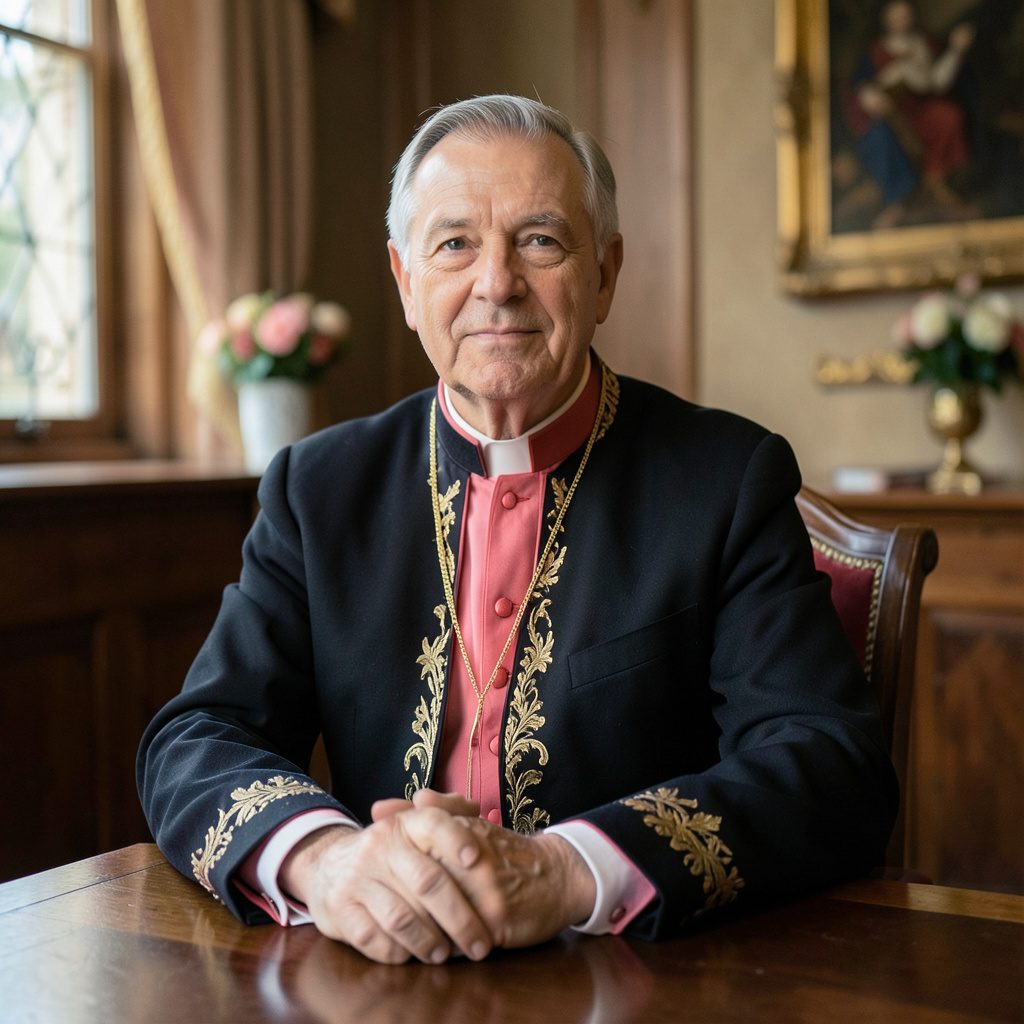
This Week in the Diocese
- Bishop's Corner — weekly reflection from the diocese
- Parish Day celebrations across the vicariates
- Vocation Months — formation and discernment events
- Reflections, news, and gallery updates daily
How to Start a Bible Study Group in Your Parish
A parish Bible study group can help people encounter Scripture as a living word that shapes prayer, worship and everyday discipleship. It may begin with a few parishioners around a table, yet grow into a steady ministry that welcomes young adults, families, older people and those returning to the Church.
In an Australian parish, the group should reflect local rhythms and needs. A weekday evening may suit commuters in Sydney or Melbourne, while a Saturday morning gathering may work better in regional Queensland or Western Australia. With prayer, sound preparation and support from the parish priest, a Scripture group can become a practical expression of Catholic community life.
Begin With A Clear Spiritual Purpose
Start by defining what the group is meant to offer. The aim might be to pray with the Sunday Gospel, study a particular biblical book, prepare for Advent or Lent, or explore Scripture alongside the Catechism and the life of the Church. A clear purpose helps participants know what they are joining and keeps meetings from becoming unstructured discussion.
Speak with the parish priest, pastoral associate or parish council before announcing the group. Explain the proposed focus, intended audience, meeting frequency and need for a suitable room. The parish may already have a faith formation programme, RCIA team, youth ministry or prayer circle that could work alongside the new group rather than duplicating it.
Invite Support And Build Trust
A small organising team is usually more sustainable than one enthusiastic leader carrying every task. Invite two or three people to share responsibilities such as welcoming participants, preparing refreshments, communicating dates and guiding the discussion. Look for gifts that may not be obvious: a teacher may explain difficult passages, while a quiet parishioner may be especially skilled at listening.
Use existing parish channels to extend the invitation, including Sunday notices, the bulletin, social media and personal conversations after Mass. A simple notice can state the topic, venue, starting date and expected length of each session. Parishioners can also find wider diocesan service resources useful when considering formation, ministry and community support.
Choose A Practical Meeting Pattern
A regular schedule makes participation easier. Many groups meet fortnightly for 60 to 90 minutes, allowing enough time for prayer and conversation without making the commitment feel burdensome. Avoid competing with major parish events, school holidays and popular community activities. In Australia, checking term dates is particularly helpful for parents and teachers.
Consider access as carefully as the timetable. A parish hall near public transport may serve people in inner-city Melbourne or Sydney, while a regional parish may need to coordinate lifts across considerable distances. Offer a hybrid option only if someone can manage the technology well; unstable connections and different time zones can distract from prayer, especially when participants join from Perth, Brisbane or remote areas.
Prepare Scripture-Centred Sessions
A reliable session structure gives the group confidence. Begin with a short welcome and prayer, read the passage slowly, allow a period of silence, and then invite participants to share what they noticed. Follow with questions about the text, its setting and its meaning for Christian life. End by identifying one practical response and praying for the grace to live it.
Catholic Bible study should respect the unity of Scripture, Tradition and the Church’s teaching. A good Catholic translation, study notes, a lectionary resource and the Catechism can provide a sound foundation. Leaders do not need to answer every question immediately. It is better to acknowledge uncertainty, consult a trusted source and return with a careful response than to offer speculation as doctrine.
Create A Welcoming And Safe Space
Set a tone in which people can speak honestly without being pressured to disclose personal experiences. Establish simple ground rules: listen without interrupting, avoid correcting another person harshly, keep confidential matters private and allow room for different levels of biblical knowledge. Newcomers should never feel embarrassed because they have not read the whole Bible.
Safeguarding belongs within parish planning from the beginning. Follow diocesan policies, especially when children or vulnerable adults may attend, and ensure volunteers complete any required screening or Working with Children Checks. If the group includes teenagers, involve parents and youth ministry leaders appropriately. A welcoming environment is built through both warmth and responsible boundaries.
Connect Study With Parish Life
Scripture becomes more meaningful when participants can recognise its connection with worship and service. Encourage the group to listen for the coming Sunday readings, take part in parish liturgies and pray for local needs. A session on the Beatitudes could lead to practical support for a food pantry, while a study of the Acts of the Apostles might inspire interest in welcoming new parishioners.
Keep local realities in view. The group could collect pantry staples for a neighbourhood service, support a refugee ministry, or learn about Aboriginal and Torres Strait Islander communities with respect for the parish’s setting. In a large city, members may serve people experiencing homelessness near the CBD; in a regional town, they may assist families facing drought, isolation or limited access to services.
Sustain Participation And Formation
At the end of each meeting, remind participants of the next date and reading. A shared email list or parish messaging channel can provide the passage, prayer intention and brief reminder without overwhelming people. Keep costs modest: participants may use their own Bible, while the parish can provide a few copies for those who cannot afford one. Local Catholic bookshops and Australian online retailers can help leaders compare accessible study editions.
After the first four or six sessions, review the group gently. Ask which parts helped people pray, whether the pace was manageable and what subjects they would like to explore next. The purpose of evaluation is to strengthen the ministry, not to turn it into a formal course. A group may eventually develop seasonal studies, a lectio divina circle, family Scripture evenings or a pathway into other parish ministries.
Encourage Leadership To Grow
A healthy Bible study group gradually forms new leaders. Invite different participants to proclaim the reading, prepare an opening prayer or lead one discussion question. Offer guidance rather than expecting polished teaching. Leaders should remain rooted in prayer, use reliable Catholic resources and stay attentive to the parish priest or diocesan formation team when questions become complex.
Mark significant moments with gratitude: the end of a Gospel study, a shared prayer service or a simple parish morning tea. Australian parish life often grows through ordinary hospitality, such as tea after Mass, a plate of biscuits or conversation in the hall. When people experience Scripture, friendship and service as parts of one Christian life, the group can become a lasting source of renewal for the whole parish.
Contact the Diocese
Reach the diocesan offices for inquiries about parishes, sacraments, ministries, and PPCRV resources including the One Good Vote Campaign and Voter Verification.
- Diocesan Curia
- Diocese of Antipolo, Philippines
- Social Communication
- Official Facebook & Twitter feeds linked from the site
- PPCRV
- Pastoral Social Communication and Religious Education