The official home of the Roman Catholic Diocese of Antipolo in the Philippines — sharing bishop's messages, parish directories, news, reflections, and community updates from across our vicariates.
Read Latest Updates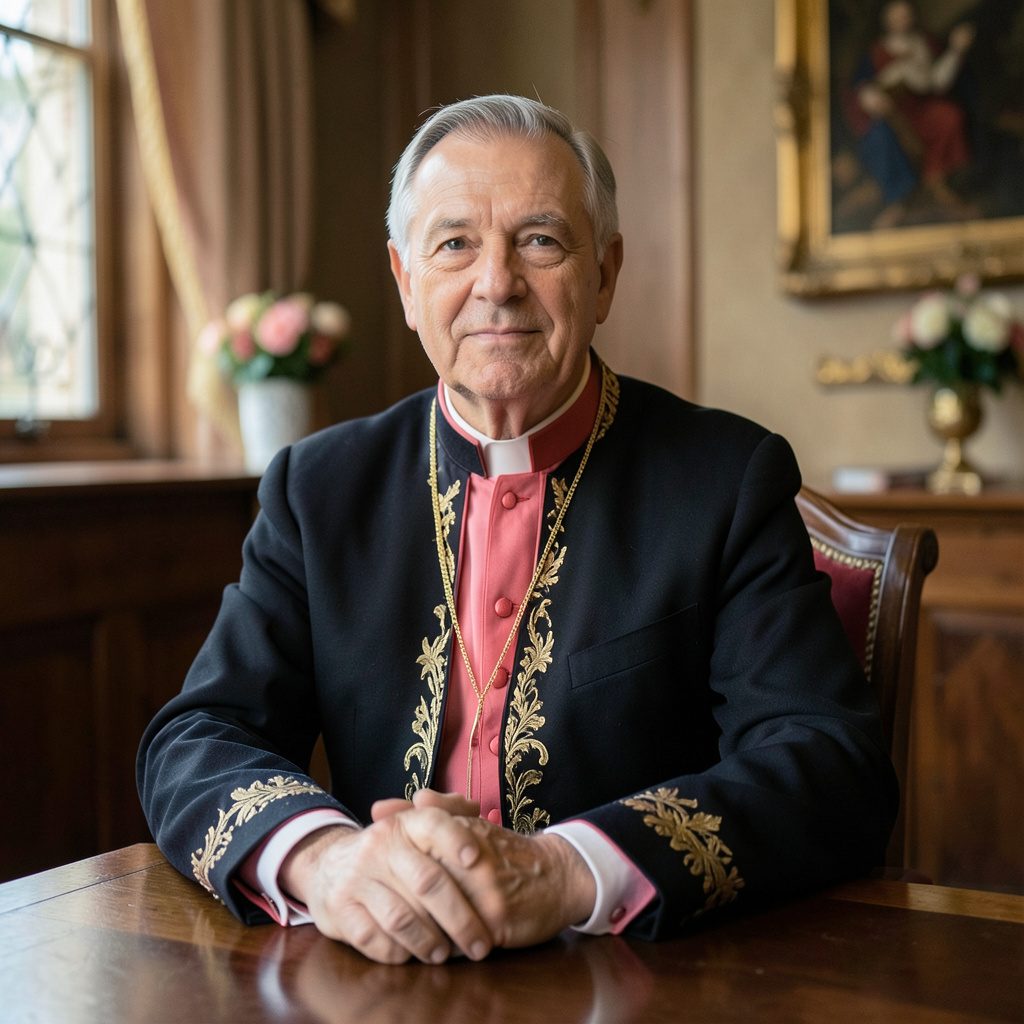
This Week in the Diocese
- Bishop's Corner — weekly reflection from the diocese
- Parish Day celebrations across the vicariates
- Vocation Months — formation and discernment events
- Reflections, news, and gallery updates daily
The dignity of work in Catholic life
Work is more than a way to earn a wage. In Catholic understanding, it is a human activity through which people use their gifts, support their families, serve their communities and take part in God’s continuing care for creation. The value of work comes first from the person who performs it, not from salary, status or public recognition.
This teaching speaks to many realities in Australia: a tradie working early shifts in Western Sydney, a nurse caring for older people in Melbourne, a farmer managing uncertain seasons, or a FIFO worker spending weeks away from family in Western Australia. Paid employment matters, yet unpaid care, volunteering, study and household responsibilities also make a real contribution to society.
The Church therefore asks whether economic life respects the human person. Wages, working hours, workplace safety, family life and the right to rest are moral concerns. A Catholic approach to employment seeks a fair go for everyone, especially people who are casual, underpaid, unemployed, newly arrived, living with disability or carrying heavy responsibilities at home.
Work as participation in God’s creativity
The Book of Genesis presents human beings as stewards of creation. Work belongs to this vocation. Through building, teaching, repairing, growing food, caring for others and developing knowledge, people cultivate the world and make it more habitable. Work can express intelligence, responsibility, creativity and love.
This does not mean every job is easy or fulfilling. Some work is repetitive, dangerous or poorly recognised. Catholic social teaching still affirms the worker’s dignity when a task feels ordinary. Cleaning a hospital, stocking shelves in a supermarket or maintaining a public road can protect the wellbeing of thousands of people.
The meaning of work also includes cooperation. A functioning community depends on many forms of labour, including roles that remain unseen. The person who prepares meals, supports a family member with illness or volunteers at a parish may contribute greatly without receiving a payslip.
The worker comes before the economy
Catholic teaching holds that economic systems exist for people, rather than people existing for economic systems. Profit, productivity and innovation have their place, but they must serve the common good. A business becomes truly successful when it respects workers, customers, the wider community and the environment.
In Australia, this principle raises practical questions about casualisation, insecure hours and the pressure to accept unpaid extra work. The language of being “on the tools” can express pride in skilled labour, yet skill should be matched by safe conditions and proper pay. The Fair Work framework provides important protections, while Christian responsibility calls employers and employees to uphold justice beyond minimum compliance.
A just workplace also values the contribution of migrants and temporary workers. Language barriers, visa concerns and unfamiliarity with workplace rights can leave people exposed to exploitation. Parish communities, schools and Catholic agencies can help people find reliable information, friendship and support when employment becomes a source of fear.
A just wage and the needs of family life
A just wage should enable a person to live with dignity and provide for those in their care. Catholic teaching links remuneration with food, housing, healthcare, education, transport and participation in community life. The question is not simply whether a person has a job, but whether work allows a household to live securely.
Housing costs in Sydney and Melbourne, long commutes and rising household bills make this issue especially visible. Families may be employed yet remain under financial strain. A parent working several casual jobs can have less time for children, prayer, rest and community involvement. The social value of work is weakened when its demands make family life impossible.
The right to work is joined to the rights to rest and family life. Sunday worship, annual leave, reasonable hours and regular days away from employment protect the person from being treated as a machine. Shift workers, emergency staff and carers may have different schedules, but every worker needs genuine opportunities for recovery and relationships.
Solidarity in the workplace
Workers are not isolated individuals competing for approval. They share responsibilities and can act together to improve conditions. Catholic social teaching recognises the importance of unions, professional associations and other forms of worker organisation when these serve justice, dialogue and the common good.
Solidarity can be expressed through small decisions: welcoming a new colleague, refusing discriminatory jokes, reporting unsafe practices and ensuring a quieter worker receives proper credit. It also means taking seriously the experience of people whose employment is insecure, including hospitality staff, delivery riders, farm workers and those in the care economy.
A Catholic parish can support this culture by praying for workers, offering practical assistance and encouraging respectful discussion about employment. Parishioners may work in very different industries, yet they can recognise one another as neighbours whose dignity does not depend on occupation.
Work, worship and the rhythm of life
Catholic worship places human labour within a larger horizon. The Mass gives thanks for creation, remembers Christ’s self-giving love and sends believers out to serve. The altar and the workplace are not identical, but faith should shape how people use authority, handle money, treat colleagues and make decisions.
The Church’s liturgical seasons can also remind believers that time is sacred and life cannot be reduced to output. The meaning of liturgical colours in worship points to changing spiritual themes across the year, from penitence and hope to joy and celebration. These rhythms challenge the demand to remain permanently busy.
Workers need practices that restore perspective. Attending Sunday Mass, keeping a regular day of rest, sharing meals without phones and making time for family or community can resist the idea that worth is measured by performance. Rest is not laziness; it acknowledges human limits and God’s providence.
Living the teaching in daily decisions
Catholic reflection on work becomes credible through action. Employers can create fair rosters, pay correctly, provide safe equipment and listen to staff. Employees can work conscientiously, respect colleagues and raise concerns through constructive channels. Consumers can consider whether low prices depend on hidden exploitation.
Families and parishes can help children understand that every honest occupation has value. A young person discerning a vocation may be drawn to medicine, teaching, engineering, trades, farming, public service or religious life. The central question is how gifts can be offered for the good of others, rather than which career brings the greatest prestige.
Practical habits can keep this vision visible:
- Thank workers whose service is often overlooked.
- Learn workplace rights and support fair employment.
- Protect time for family, worship and proper rest.
- Include unemployed and underemployed people in community life.
Catholic communities can also examine their own employment practices. Parish offices, schools, hospitals and charities should model transparency, respectful management and care for staff. When the Church speaks about the dignity of work, it is inviting every institution and household to make that dignity tangible.
A healthy society recognises that work has economic, social and spiritual dimensions. It provides income, but it also shapes relationships, identity and the common good. When workers are treated as persons, families receive support, communities grow stronger and the gifts of creation are developed with wisdom. This is the practical heart of the Church’s vision: human labour should serve life, justice and love.
Contact the Diocese
Reach the diocesan offices for inquiries about parishes, sacraments, ministries, and PPCRV resources including the One Good Vote Campaign and Voter Verification.
- Diocesan Curia
- Diocese of Antipolo, Philippines
- Social Communication
- Official Facebook & Twitter feeds linked from the site
- PPCRV
- Pastoral Social Communication and Religious Education