The official home of the Roman Catholic Diocese of Antipolo in the Philippines — sharing bishop's messages, parish directories, news, reflections, and community updates from across our vicariates.
Read Latest Updates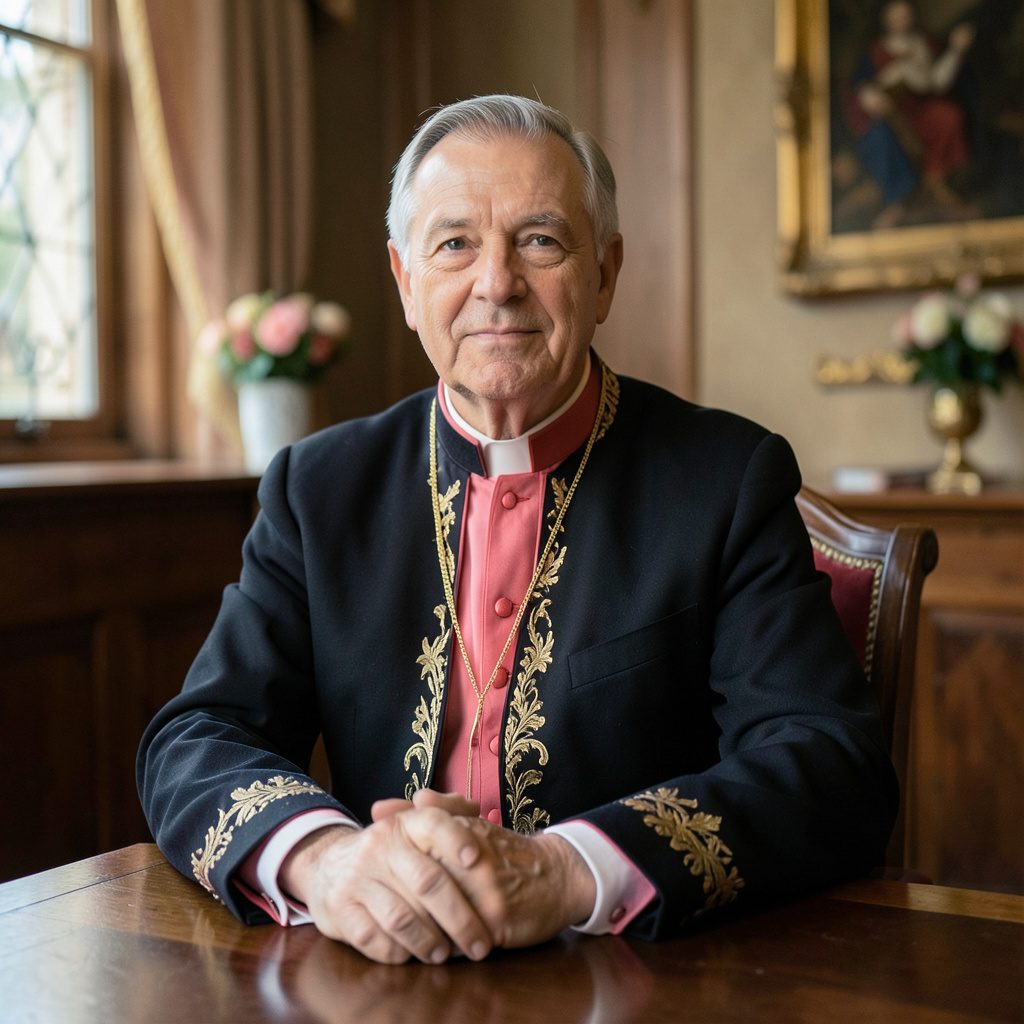
This Week in the Diocese
- Bishop's Corner — weekly reflection from the diocese
- Parish Day celebrations across the vicariates
- Vocation Months — formation and discernment events
- Reflections, news, and gallery updates daily
The diocesan office for the clergy and pastoral life
The Diocesan Office for the Clergy supports the priests and deacons who serve the local Church. Its work reaches beyond administration: it helps clergy remain faithful to their vocation, receive sound formation, care for their wellbeing, and respond wisely to the pastoral needs of parishes, schools, families, and communities. Learn more about Divórcio E Novo Casamento O Que Jesus Ensinou.
In the Diocese of Antipolo, this ministry belongs within the bishop’s responsibility for the spiritual and pastoral life of the presbyterate. The office can assist with appointments, clergy records, ongoing education, retreats, fraternal support, and practical coordination between the chancery, parishes, vicariates, and other diocesan offices.
For Catholics in Australia, including Filipino communities in Sydney, Melbourne, Brisbane, and Perth, this mission has a familiar shape. Priests often serve people balancing shift work, long commutes, migration concerns, family responsibilities, and the rhythm of parish life across large urban areas. Good clergy support strengthens the Church’s ability to accompany people in ordinary circumstances.
A ministry of service to priests and deacons
The office exists to serve those who serve the People of God. It may help a newly ordained priest settle into parish ministry, guide a priest taking on a new appointment, or coordinate assistance when a member of the clergy is ill, overworked, or facing a personal difficulty.
This service requires confidentiality, patience, and a clear understanding of both canon law and diocesan policy. A clergy office is often a place where practical concerns can be addressed before they become serious pastoral problems. It also helps the bishop maintain a meaningful relationship with priests and deacons throughout the diocese.
Formation for a changing pastoral landscape
Initial formation at the seminary is only the beginning of priestly development. Ongoing formation may include Scripture, preaching, moral theology, canon law, leadership, pastoral counselling, interreligious dialogue, and the responsible use of digital media.
The Australian setting illustrates why continuing education matters. A priest serving Filipino Catholics in Melbourne may minister across several languages and cultural traditions, while a priest in Sydney may accompany families shaped by migration, university life, and demanding professional schedules. Parishioners may expect online booking systems, livestreamed Masses, and prompt communication, while still seeking the personal presence of a pastor.
Vocations and discernment
A healthy clergy office encourages vocations to the priesthood and diaconate by making discernment visible and approachable. Young men and mature adults need opportunities to speak with trusted priests, understand seminary life, and reflect on whether God may be calling them to ordained ministry.
Vocation promotion is strengthened when parishes, Catholic schools, youth groups, and families work together. Everyday habits such as attending Sunday Mass, joining a Bible group, serving at a food pantry, or taking part in parish worship can create the conditions in which a vocation is recognised. Clear information and patient accompaniment are especially important for people discerning across cultures or after migration.
Safeguarding and professional accountability
Care for clergy must always be joined to the protection of children and vulnerable adults. Diocesan procedures should cover safe ministry training, complaints handling, supervision, record keeping, boundaries, and transparent cooperation with civil authorities.
In Australia, requirements differ between states and territories, but clergy and parish workers may need a Working with Children Check, police screening, and compliance with reportable conduct or mandatory reporting rules. The Privacy Act 1988 can also affect the handling of personal information, although church records and state legislation require careful legal assessment. A diocesan office should ensure that canonical processes and Australian safeguarding obligations are understood together.
Safeguarding is more than compliance. It is a pastoral culture in which people know how to raise concerns, leaders respond promptly, and the dignity of every person is protected. Ongoing formation helps clergy recognise risk, maintain healthy boundaries, and exercise authority responsibly.
Supporting wellbeing and fraternity
Priestly ministry can be demanding. Long drives between communities, evening meetings, funerals, hospital visits, and weekend Mass schedules can leave little space for rest. In Australian cities, traffic and housing pressures add to the strain; a priest may spend substantial time travelling between a parish, school, hospital, and community centre.
The clergy office can promote retreats, spiritual direction, professional counselling, peer support, and regular days of rest. Fraternal relationships are equally important. Shared meals, deanery gatherings, recreation, and informal conversations help prevent isolation and remind priests that ministry is carried by a presbyterate rather than by individuals working alone.
Pastoral care in family and community life
Clergy frequently accompany people through marriage preparation, separation, grief, illness, and family conflict. They need theological clarity and pastoral gentleness, especially when a person’s life does not fit a simple pattern. Resources explaining guidance on remarriage can support respectful conversations about Jesus’ teaching, the dignity of marriage, and the Church’s call to mercy and truth.
In Australia, family ministry also intersects with practical pressures. Rising rents, the cost of school supplies, insecure work, and the distance between home and parish can affect participation in sacramental preparation. Priests may work with Catholic schools, social service agencies, migrant chaplaincies, and parish volunteers to ensure that pastoral care responds to real circumstances rather than assumptions.
Coordination across the diocese
A clergy office works closely with the bishop, vicariates, parish priests, religious institutes, vocation promoters, formation teams, and safeguarding personnel. Clear communication helps avoid duplicated work and ensures that clergy appointments match the needs of communities.
The local economy also influences parish life. In Australia, cost-of-living pressures can reduce household giving while increasing requests for emergency assistance. Priests may need support in managing parish resources, understanding employment arrangements, or cooperating with staff and volunteers under workplace and governance expectations. Awareness of the local market, including housing availability and labour conditions, helps diocesan leaders make realistic decisions about placements and pastoral projects.
A visible sign of communion
The office for the clergy expresses the bishop’s care for the ordained ministers entrusted to his service. Through formation, accompaniment, safeguarding, and practical coordination, it strengthens the relationship between clergy and the communities they serve.
Its work becomes visible in many ordinary moments: a priest prepared for a new parish, a seminarian accompanied through discernment, a deacon receiving suitable formation, or a parish responding safely to a vulnerable person. These quiet forms of support help the Church remain present in homes, schools, hospitals, workplaces, and worshipping communities across the Diocese of Antipolo and among Australian Catholics connected to its spiritual life.
Contact the Diocese
Reach the diocesan offices for inquiries about parishes, sacraments, ministries, and PPCRV resources including the One Good Vote Campaign and Voter Verification.
- Diocesan Curia
- Diocese of Antipolo, Philippines
- Social Communication
- Official Facebook & Twitter feeds linked from the site
- PPCRV
- Pastoral Social Communication and Religious Education