The official home of the Roman Catholic Diocese of Antipolo in the Philippines — sharing bishop's messages, parish directories, news, reflections, and community updates from across our vicariates.
Read Latest Updates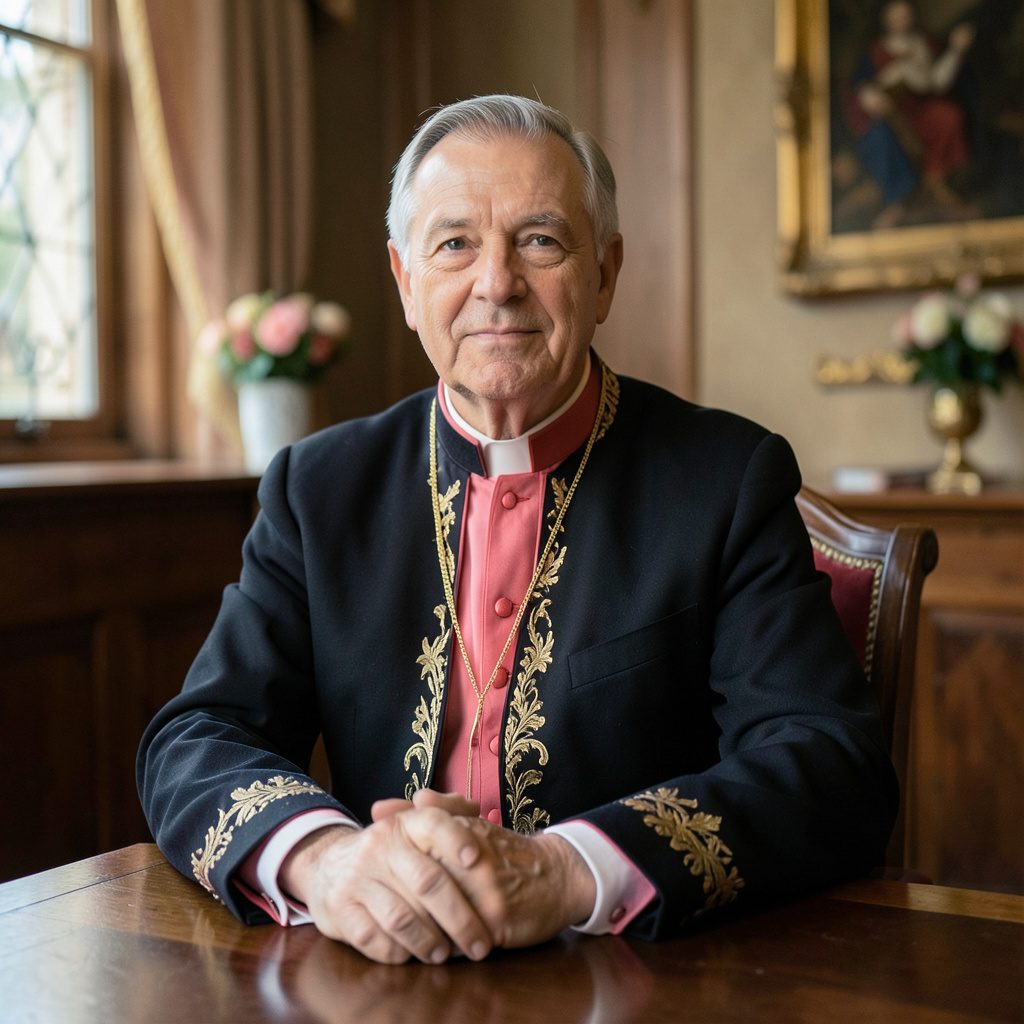
This Week in the Diocese
- Bishop's Corner — weekly reflection from the diocese
- Parish Day celebrations across the vicariates
- Vocation Months — formation and discernment events
- Reflections, news, and gallery updates daily
Pilgrimage to the Antipolo Shrine and its living tradition
Perched on a hillside east of Metro Manila, the Antipolo Shrine draws Catholics each year into a journey that blends penance, prayer, and thanksgiving. Within the Diocese of Antipolo, this sanctuary of Our Lady of Peace and Good Voyage remains the spiritual heart of countless walks of faith. The diocesan pilgrimage, organised under the pastoral care of the local bishop, gathers parishes, vicariates, and lay movements into a single procession of hope.
For Filipino Catholics living abroad, including faith communities across Sydney, Melbourne, and Brisbane, the memory of the shrine is woven into family prayers. Even when distance keeps pilgrims from home, devotion to the Virgin of Antipolo continues in parish chapels and prayer gatherings from Blacktown to Dandenong. Pilgrimage, in this sense, becomes both a physical act and an interior journey.
Origins of the shrine and its sacred image
The story of the Antipolo Shrine is tied to the arrival of the venerated image of Our Lady of Peace and Good Voyage in the seventeenth century. Brought across the Pacific by missionaries and entrusted to Jesuit priests, the image found its home on a forested ridge that would become one of the most beloved Marian sites in the Philippines. The simple chapel grew over time into a sanctuary of worship and welcome.
When the Diocese of Antipolo was erected in 1983, the shrine came under the pastoral responsibility of the local ordinary, and its care passed to diocesan clergy working alongside religious communities. The bishop continues to shepherd the sanctuary, ensuring that the pilgrimage remains rooted in sound catechesis. Diocesan records show how devotion survived colonial upheaval, war, and rapid urbanisation.
The complex today includes a transept and balcony that frame the altar, allowing pilgrims to gather in great numbers while keeping the image visible from any point. A small museum holds centuries of devotional objects, including ivory carvings, rosaries, and ex-votos offered by sailors and families seeking safe passage. These artefacts quietly speak of trust placed in the hands of the Virgin.
The experience of walking as a pilgrim
The diocesan pilgrimage is a moving river of people, often gathering in the early hours before sunrise. Many pilgrims arrive on foot from surrounding towns, while others travel in buses bearing the names of their parishes. The air fills with the cadence of the rosary, the rustle of devotional cloth, and occasional songs rising from youth choirs at the head of the procession. Confession chapels remain open throughout the day.
A traditional act among penitents is to climb the surrounding stairs barefoot, a small sacrifice passed down through generations. Children walk beside parents holding candles, elderly devotees lean on walking sticks, and students from Catholic schools carry banners. Diocesan and visiting priests hear confessions in shifts, including penitents who have travelled from distant cities. The rhythm of prayer accompanies every step.
Pilgrims pause to write petitions on paper slips that are later burned in a designated area, a quiet gesture of surrendering worry to heaven. A shared meal afterwards, often a home-cooked spread of Filipino dishes, completes the day and turns the pilgrimage into a family celebration. For visitors, this blend of solemnity and welcome captures the heart of Filipino Catholic devotion.
The patroness of travellers and the meaning of peace
The title of the image, Our Lady of Peace and Good Voyage, has shaped the spiritual imagination of the shrine for centuries. Sailors once asked her protection before crossing treacherous waters, and her name continues to resonate with every Filipino who has had to leave home for work, study, or family reunification. The prayer most associated with the shrine asks for safety in travel and for the deeper peace that comes from reconciled relationships.
Pilgrimage to Antipolo is read by many as a metaphor for the Christian life itself, a long road marked by fatigue, temptation, and the consolation of prayer. Diocesan reflections often describe the climb up the hill as a likeness of the ascent each person is called to make towards holiness, with the Virgin meeting believers at the summit. Her gaze above the altar turns outward over the valley, a reminder that the peace she offers is meant to be carried home into ordinary routines.
Each year, the bishop issues a pastoral message for the pilgrimage, drawing attention to a particular intention: peace in families, vocations to priesthood and consecrated life, healing for the sick, or reconciliation among communities. These messages are read in parishes across the diocese and shared in faith communities abroad. For those discerning vocations, the pilgrimage has become a moment when seminarians walk alongside the faithful, praying that more young men and women will hear a call to service.
A shrine sustained by faith communities far from home
In Western Sydney suburbs such as Blacktown, Liverpool, and Campbelltown, prayer groups devoted to Our Lady of Antipolo meet regularly in parish halls, keeping the pilgrimage alive for those who live more than six thousand kilometres from the shrine. Filipino Catholic communities in Melbourne's south-eastern corridors, from Dandenong to Springvale, organise novenas before the annual feast, inviting neighbours of every heritage to share the celebration. Similar gatherings are found in Brisbane and Perth.
These communities often hold small processions that mirror the Antipolo pilgrimage, carrying a modest image of the Virgin through suburban streets while singing hymns learned in childhood. Some send delegates on the long flight home to join the diocesan walk, returning with sacramentals, blessed candles, and stories to share over a potluck. They also support the pilgrimage from a distance through online prayer intentions and livestreamed Masses.
The mutual care between the diocese and Filipino Australians forms a wider pastoral attention to overseas faithful. Parishes under the diocese are encouraged to welcome returning pilgrims and recognise the contributions of those who maintain the devotion abroad. In this way, the Antipolo Shrine functions as a living network of prayer, sustained by Filipinos on every continent who call the Virgin of the hill their mother.
Pastoral care, the clergy, and communion with the diocese
Behind the scenes of the annual pilgrimage stands a careful collaboration between the diocesan bishop, parish priests, religious congregations, and volunteer groups. The bishop leads the principal Mass, offers the homily, and presides over the blessing of pilgrim images that families bring home to their altars. His presence signals that the pilgrimage is a public act of the local Church, in communion with the universal Church and the See of Peter.
Parish and Vicariate directories published on the diocesan website list contact persons for those wishing to join group pilgrimages, request a blessing, or arrange the anointing of the sick during the event. Seminarians and deacons assist with the sacraments, while lay volunteers coordinate water stations, first aid, and the orderly flow of foot traffic. The diocesan communications office gathers photographs and reflections, sharing them through online galleries that connect relatives abroad to the celebration in real time.
Through this shared labour, the diocesan pilgrimage to the Antipolo Shrine remains an expression of communion, a work of mercy, and a quiet school of prayer. Whether one arrives by foot from a neighbouring barangay or by plane from Parramatta or Footscray, the welcome offered at the shrine is the same. Pilgrims leave the hill carrying small souvenirs and a steady trust that the journey of faith, however long, is never walked alone.
Contact the Diocese
Reach the diocesan offices for inquiries about parishes, sacraments, ministries, and PPCRV resources including the One Good Vote Campaign and Voter Verification.
- Diocesan Curia
- Diocese of Antipolo, Philippines
- Social Communication
- Official Facebook & Twitter feeds linked from the site
- PPCRV
- Pastoral Social Communication and Religious Education