The official home of the Roman Catholic Diocese of Antipolo in the Philippines — sharing bishop's messages, parish directories, news, reflections, and community updates from across our vicariates.
Read Latest Updates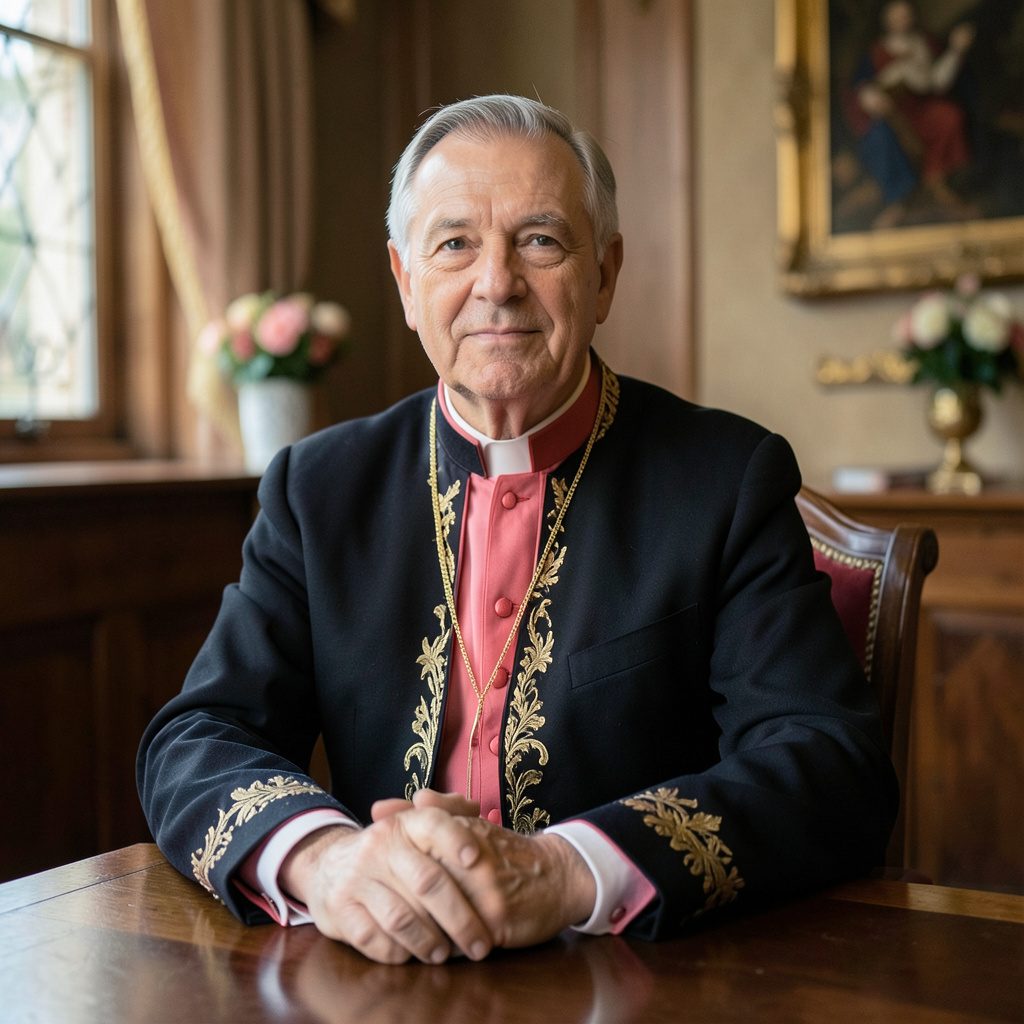
This Week in the Diocese
- Bishop's Corner — weekly reflection from the diocese
- Parish Day celebrations across the vicariates
- Vocation Months — formation and discernment events
- Reflections, news, and gallery updates daily
Building faith, friendship and purpose among young adults
Young adulthood is a season of movement, decision-making and discovery. People may be finishing university, starting a career, changing cities, living away from family or discerning whether marriage, religious life or another vocation is their path. A diocesan programme for young adults and singles can offer steady companionship while helping participants connect faith with ordinary responsibilities.
For the Diocese of Antipolo, this ministry belongs within the Church’s wider mission of forming disciples, strengthening families and serving communities. It can bring together parish groups, Catholic schools, chaplaincies, youth leaders and lay professionals so that single adults are recognised as active members of the Church rather than treated as people waiting for another stage of life.
The same pastoral vision has meaning for Catholics in Australia. A young professional in Melbourne, a nurse in Brisbane, a student in Sydney or a Filipino migrant household in Perth may need different forms of support, yet all can benefit from prayer, honest conversation, friendship and opportunities to serve. A well-designed programme creates a welcoming bridge between parish life and the pressures of contemporary society.
A ministry shaped by real young adult lives
Young adults often balance long working hours, casual employment, study, family expectations and rising housing costs. Some share accommodation, commute across large metropolitan areas or work rotating shifts in health care, hospitality, retail and logistics. Others live in regional towns or travel for mining, construction and agricultural work, making regular parish attendance difficult.
A diocesan network can respond through a mixture of in-person and digital activities. Evening gatherings, Saturday workshops, small faith-sharing circles and occasional online sessions make participation more accessible. Meetings should be held near public transport where possible, with clear schedules and modest costs so that attendance does not depend on owning a car or having a high disposable income.
The programme should also acknowledge different experiences of singleness. Some participants are content with single life, some are discerning marriage, and others are healing from a relationship or navigating separation. Respectful pastoral care avoids reducing every gathering to dating and gives each person space to grow in holiness, friendship and service.
Prayer and faith formation at the centre
A strong formation pathway can combine Scripture, Catholic teaching, spiritual direction and practical reflection. Sessions might explore prayer, conscience, vocation, Catholic social teaching, mental wellbeing, work, relationships and responsible use of technology. The aim is to help participants recognise God’s presence in decisions about employment, study, money, family and public life.
Liturgical participation should remain central without making the programme feel like a collection of events. Mass, Eucharistic adoration, reconciliation and guided prayer can be offered alongside informal fellowship. During the Advent season, participants may use the diocesan resource on preparing for a holy Christmas to connect personal reflection with parish worship and acts of generosity.
Faith formation also benefits from small groups led by trained facilitators. A conversation after Mass or a monthly Scripture circle can help people move from occasional attendance to a more lasting relationship with Christ and the Christian community. These groups should welcome questions while remaining grounded in the teachings and sacramental life of the Church.
A welcoming network across parishes and cities
The programme becomes stronger when it is connected to parishes, vicariates, university communities and Catholic organisations. A central diocesan team can provide safeguarding guidance, formation materials and a calendar, while local leaders adapt activities to their communities. This approach supports consistency without imposing a single style on every parish.
Australia’s geography makes flexible coordination especially important. A group in Sydney may organise gatherings around train access, while a community in Adelaide or Canberra may rely more on parish halls and car travel. Filipino Catholics in Australia may also maintain close links with relatives and parishes in the Philippines, creating opportunities for cultural exchange, shared prayer and support for newly arrived migrants.
Welcoming practices should be clear from the first invitation. Parish websites and social media can explain who the group serves, whether registration is required, what an evening involves and how newcomers can find a host. Hospitality might include a simple meal, an introduction to the parish and a conversation partner for someone attending alone.
Service that turns faith into action
Young adults often look for meaningful ways to contribute, especially when service is connected with local needs. A diocesan initiative could partner with food relief services, aged-care communities, refugee support organisations, hospitals, environmental groups and parish outreach ministries. Service should include reflection so that volunteers see charity as a relationship rooted in the dignity of every person.
The Australian context offers many practical opportunities. Participants could support a parish pantry during periods of household budget pressure, assist at community meals or join coastal and park clean-ups. They may also help older parishioners with digital access, transport to worship or everyday social connection, while respecting each person’s privacy and independence.
Service projects should be properly prepared rather than treated as occasional publicity. Leaders need to clarify responsibilities, transport, supervision and appropriate boundaries. Where activities involve children or vulnerable adults, Catholic organisations must follow relevant safeguarding requirements, including screening and Working with Children Check obligations under the law of the particular Australian state or territory.
Relationships, vocation and responsible community life
A healthy community gives people opportunities to form genuine friendships without creating pressure to pair off. Social evenings, cultural celebrations, sport, creative activities and shared meals can make parish life more approachable. Teaching on Christian friendship and emotional maturity can help participants build relationships marked by respect, honesty and freedom.
Vocation discernment should include marriage, priesthood, religious life, consecrated life and committed lay service. Mentors from different states of life can share their experiences without presenting one life choice as superior to another. Retreats and personal accompaniment may help participants listen carefully to God while considering family responsibilities, work, cultural expectations and personal gifts.
This ministry also needs a responsible approach to online communication. Group chats should have clear purposes, appropriate moderation and consent for sharing photos or contact details. Australian privacy obligations, including principles under the Privacy Act 1988 for organisations covered by the legislation, provide a useful standard for handling personal information with care.
Leadership, evaluation and long-term continuity
A diocesan programme needs leaders who are spiritually grounded, approachable and prepared for pastoral work. Formation can cover listening skills, Catholic teaching, safeguarding, conflict management, referral pathways and inclusive hospitality. Clergy, religious and lay leaders can work together, with young adults included in planning rather than consulted only after decisions have been made.
The programme should welcome feedback through attendance patterns, conversations and short evaluations. Useful measures include whether newcomers return, whether small groups continue, whether participants move into parish service and whether people report stronger prayer and belonging. Numbers matter, but stories of renewed faith, restored hope and deeper community reveal the ministry’s human impact more clearly.
Stable funding and a simple annual rhythm can protect the work from becoming dependent on one enthusiastic organiser. A modest budget may cover venue hire, meals, formation materials, transport assistance and retreats. Partnerships with parishes, schools and Catholic agencies can extend its reach while keeping the focus on the dignity, spiritual growth and mission of young adults and single Catholics.
Contact the Diocese
Reach the diocesan offices for inquiries about parishes, sacraments, ministries, and PPCRV resources including the One Good Vote Campaign and Voter Verification.
- Diocesan Curia
- Diocese of Antipolo, Philippines
- Social Communication
- Official Facebook & Twitter feeds linked from the site
- PPCRV
- Pastoral Social Communication and Religious Education