The official home of the Roman Catholic Diocese of Antipolo in the Philippines — sharing bishop's messages, parish directories, news, reflections, and community updates from across our vicariates.
Read Latest Updates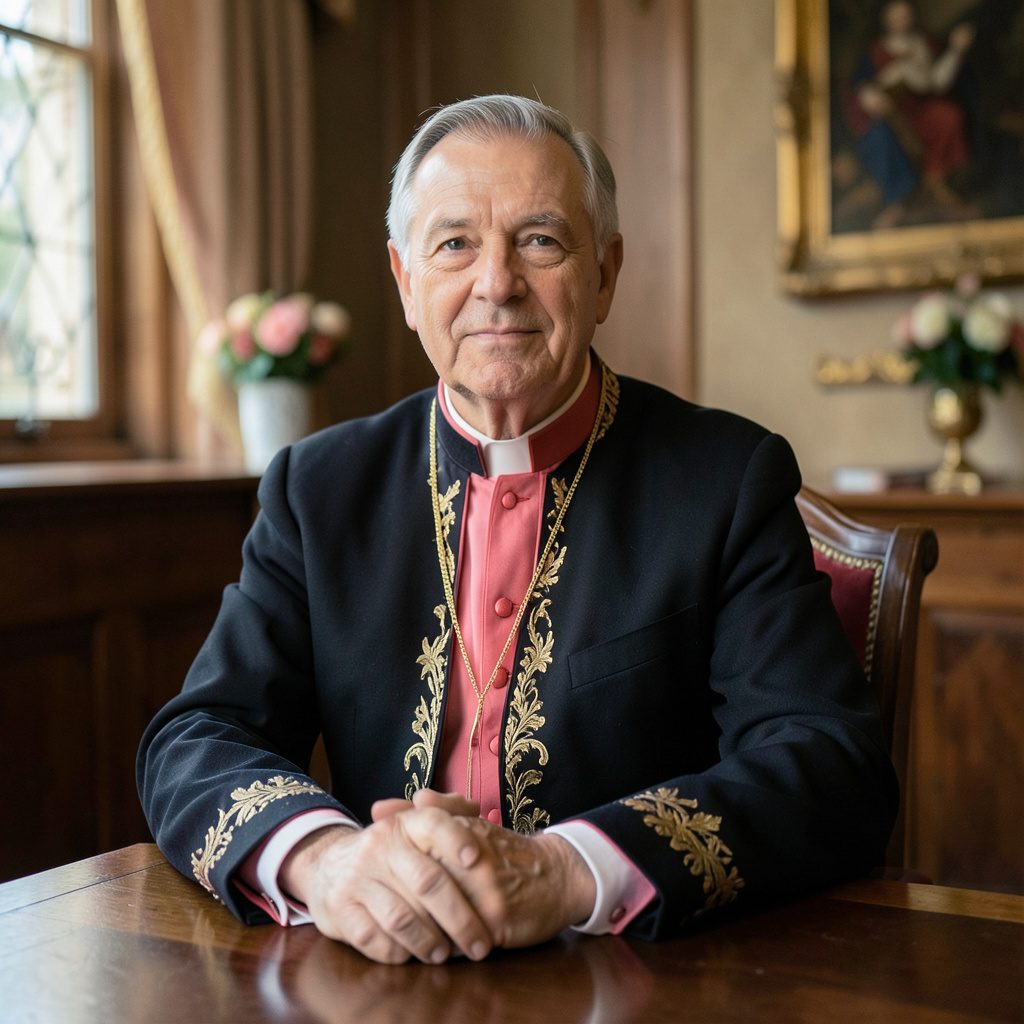
This Week in the Diocese
- Bishop's Corner — weekly reflection from the diocese
- Parish Day celebrations across the vicariates
- Vocation Months — formation and discernment events
- Reflections, news, and gallery updates daily
The History of Antipolo Cathedral
The Antipolo Cathedral stands at the heart of Antipolo City as a place of prayer, pilgrimage and Filipino Catholic identity. Officially known as the National Shrine of Our Lady of Peace and Good Voyage, it welcomes devotees who honour a Marian image associated with journeys, protection and the enduring faith of local communities.
Its story reaches back to the Spanish colonial period and reflects the changing history of Rizal province. Churches, earthquakes, war and reconstruction have all shaped the shrine, while generations of pilgrims have preserved its importance. For Filipino Catholics in Australia, including communities in Sydney, Melbourne, Brisbane and Perth, the cathedral remains a familiar spiritual home even from a distance.
The Marian Image And Early Devotion
The history of the shrine is closely connected with the image of Our Lady of Peace and Good Voyage. Tradition holds that the image came from Mexico in the seventeenth century aboard a Spanish galleon. It was brought to the Philippines during the governorship of Juan Niño de Tabora and became associated with safe travel across the seas.
The image eventually found a permanent home in Antipolo, where devotion grew among residents, travellers and people connected with maritime journeys. The title “Peace and Good Voyage” expresses both a prayer for protection and a trust in Mary’s guidance. This meaning continues to resonate with Filipino families living overseas, including those travelling between Manila and Australian cities for work, study or family visits.
The First Church In Antipolo
The first substantial church dedicated to the image was established in Antipolo in the early 1600s. Jesuit missionaries helped organise worship and pastoral life in the area, and the settlement gradually became known as a centre of Marian devotion. The church was more than a building: it was a gathering place for communities developing their religious, social and cultural life.
Early Antipolo faced serious upheavals. The church was damaged during the Chinese uprising of 1639 and later affected by major earthquakes, including the destructive earthquake of 1645. Each disaster required repairs or rebuilding, yet devotion to the Virgin endured. The repeated restoration of the church demonstrated the determination of local Catholics to protect the shrine and keep its liturgical life active.
Destruction, War And Reconstruction
The nineteenth and twentieth centuries brought further changes to the church and the surrounding town. Earthquakes damaged many historic buildings in the Philippines, and Antipolo’s church required continuing attention. The shrine’s survival depended on the work of clergy, civic leaders and ordinary devotees who contributed time, resources and practical support.
The Second World War brought the most devastating break in the cathedral’s physical history. The church was destroyed during the fighting in 1945, leaving the historic image and the community’s devotion as vital links with the past. After the war, reconstruction began as part of the wider renewal of Antipolo. The present church was completed and inaugurated in the 1950s, giving the growing pilgrimage community a renewed place of worship.
A National Shrine And Diocesan Centre
The reconstructed church became increasingly important as devotion to Our Lady of Peace and Good Voyage expanded. In 1983, the Catholic Bishops’ Conference of the Philippines formally declared it a national shrine. This recognition affirmed Antipolo’s significance for Catholics throughout the country and strengthened its role as a destination for prayer, pilgrimage and Marian celebration.
Antipolo Cathedral also became the mother church of the Diocese of Antipolo when the diocese was established in 1983. Its responsibilities therefore reach beyond the shrine itself. The cathedral serves as a centre for diocesan worship, pastoral gatherings, formation and public celebrations, linking parishes and vicariates across Rizal. The cathedral’s official history provides a diocesan account of its development and continuing mission.
Pilgrimage And Filipino Catholic Life Today
Pilgrims visit the cathedral throughout the year, with especially strong devotion connected to Marian feasts and May celebrations. The journey to Antipolo may be made by families, parish groups, students, religious communities and people seeking thanksgiving or help. Lighting candles, attending Mass, praying before the image and joining processions are familiar expressions of this living devotion.
The cathedral’s relevance extends to Filipino Catholics in Australia. In Western Sydney, Filipino families may combine Sunday worship with a visit to a Filipino grocery or community gathering; in Melbourne and Brisbane, parish celebrations often bring together migrant families across generations. Filipino Catholic groups in Perth also maintain devotions, choir traditions and feast-day customs that connect Australian life with churches in the Philippines.
For Australian visitors, the shrine offers a window into the relationship between faith, migration and local culture. A pilgrim travelling from Sydney or Melbourne may encounter practices shaped by Filipino history while worshipping in a modern Asian city. The cathedral also speaks to people familiar with journeys across Australia’s vast distances, whether travelling by road, rail or air. Its dedication reminds communities that travel carries practical risks and spiritual hopes, while peace remains a shared prayer.
The continuing life of Antipolo Cathedral is found in its people as much as in its architecture. Its walls recall colonial beginnings, natural disasters, wartime loss and post-war rebuilding, but the shrine’s deepest history is the faith carried through each period. Today, the cathedral remains a place where diocesan service, Marian devotion and Filipino Catholic identity meet.
Contact the Diocese
Reach the diocesan offices for inquiries about parishes, sacraments, ministries, and PPCRV resources including the One Good Vote Campaign and Voter Verification.
- Diocesan Curia
- Diocese of Antipolo, Philippines
- Social Communication
- Official Facebook & Twitter feeds linked from the site
- PPCRV
- Pastoral Social Communication and Religious Education