The official home of the Roman Catholic Diocese of Antipolo in the Philippines — sharing bishop's messages, parish directories, news, reflections, and community updates from across our vicariates.
Read Latest Updates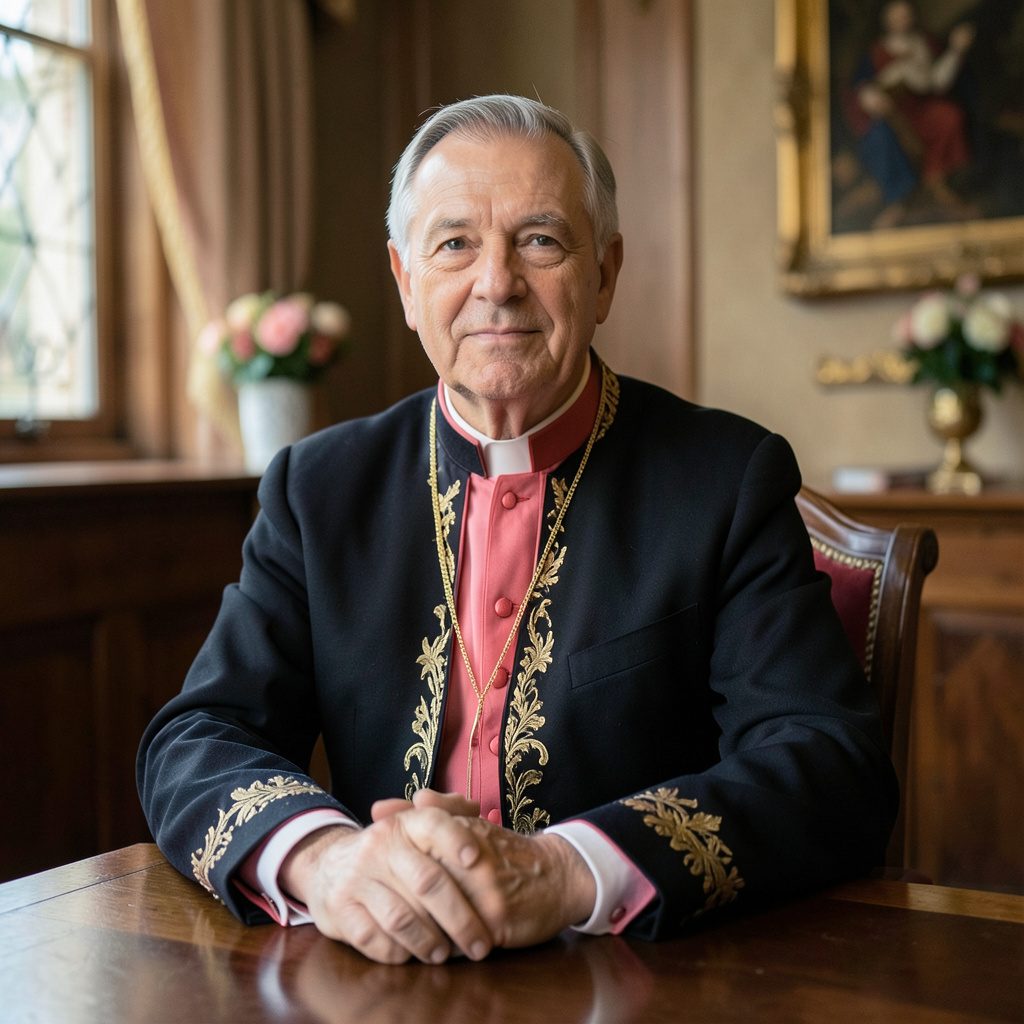
This Week in the Diocese
- Bishop's Corner — weekly reflection from the diocese
- Parish Day celebrations across the vicariates
- Vocation Months — formation and discernment events
- Reflections, news, and gallery updates daily
Following the call: a day in the life of a diocesan priest
The rhythm of a diocesan priest flows from the Liturgy of the Hours outward into every corner of parish life. Each day is anchored in prayer, presence, and proclamation, then shaped by the immediate needs of the people entrusted to a priest's care. The pattern is ancient, but its details are renewed with every passing season.
In Australia the texture of priestly ministry carries its own particular shades. Parish priests in Sydney, Melbourne, Brisbane, and Perth often serve culturally diverse congregations that include faithful of Filipino, Vietnamese, Lebanese, and Pacific Island heritage, alongside the older Irish and Italian communities that shaped Australian Catholicism throughout the twentieth century. The legal and pastoral environment also frames the work, from mandatory Working with Children Checks administered through state Offices of the Children's Guardian to the continuing commitments flowing from the Royal Commission into Institutional Responses to Child Sexual Abuse.
A single day cannot contain the entire vocation, yet it can serve as a faithful window into how grace, discipline, and human encounter meet in the ordinary hours.
Dawn prayer and personal discipline
Long before the streets fill with commuters and the first flat white is poured in the local café, the priest is already awake. The morning often begins in the quiet of a private oratory with Morning Prayer and a steady period of mental prayer drawn from Scripture or the writings of the saints. This sacred pause sets the tone for everything that follows, allowing the day's encounters to be approached with intention rather than mere habit.
A simple breakfast frequently includes conversations with parish staff, visiting religious sisters, or a fellow priest stopping by for a brief catch-up. These brief exchanges are not idle chatter; they form part of the priest's work as a fellow labourer in the vineyard, and the bonds sustained over a cup of tea carry collaborative ministry through long seasons.
Morning Mass and the liturgy of the faithful
By the time the sun rises and the parish bell rings, the priest is vested and ready to preside at the Eucharist. The celebration of daily Mass gathers retirees, shift workers dropping in before their commute, parents with small children, and members of parish societies. Each congregation has its own character, and an attentive priest learns to read the room, gently adjusting the homily to address the actual people seated before him.
Smooth worship depends on careful preparation. Servers, lectors, cantors, and extraordinary ministers of Holy Communion all require briefing and formation, and the diocese publishes practical resources to assist parish teams, including the Diocesan Guidelines for Altar Servers. After Mass the priest lingers at the church doors, greeting each person where possible, an act of slow community building that sits comfortably within the famously informal Australian culture.
Pastoral visits across suburbs and cities
The middle hours of a weekday often carry the priest out of the church and into homes, hospitals, and aged care facilities. Visitation of the sick is a constitutive part of pastoral care, and in Australia it means regular rounds to local hospitals and to residential aged care homes operated under church and private auspices. Listening carefully, anointing where appropriate, and praying with families form the heart of this apostolate.
The legal environment around such visits has tightened over recent decades. Parishes now operate within safeguarding frameworks shaped by state legislation such as the Working with Children Act and the reportable conduct schemes run through each Office of the Children's Guardian. Home visits remain common too, especially among older families who keep the custom of having the priest bless the home during Eastertide, with journeys stretching from Penrith to the Hills District, or from the heart of Adelaide to its coastal parishes.
Diocesan duties and administrative work
A diocesan priest does not serve alone. He belongs to a presbyterate gathered around the bishop, and a significant portion of his week is devoted to the work that keeps the diocese running. Meetings with parish finance councils, school principals, deanery gatherings, and formation sessions for seminarians all draw on his time and energy, while documentation, planning, and clear communication occupy quieter hours.
The priest cooperates closely with the Australian Catholic Bishops Conference, which provides national direction on liturgy, doctrine, and social questions. He carries local concerns into these discussions and returns with resources to enliven his own community, finding in this exchange a steady reminder that the ordained ministry is irreducibly ecclesial and collaborative.
Catechesis, schools, and social concerns
The afternoon often shifts toward teaching. Many diocesan priests serve as parish priests and also maintain chaplaincies in Catholic primary and secondary schools, celebrating school Masses, leading retreats, and hearing the confessions of students and staff. Beyond the schools, priests accompany youth groups, sacramental preparation programmes, and Rite of Christian Initiation of Adults groups forming catechumens for reception at the Easter Vigil.
The priest also encounters the social questions weighing on local families. Concern about gambling harm has grown across many Australian communities, where poker machines remain a familiar presence in clubs and pubs. Pastors quietly listen to spouses and parents describing the strain of betting losses, and parish resources occasionally touch on financial stewardship and human dignity. In addressing such realities some pastoral workers have begun examining bonus offers as one way of understanding the marketing their parishioners may face, an attention that helps the priest respond with compassion rather than mere admonition.
Evening reflection and the gift of rest
As the city lights come on and the parish office empties, the priest returns to prayer. Evening Prayer is often recited in the empty church before the Blessed Sacrament, an intimate hour in which the day's encounters are lifted back to the Lord. Many priests keep a journal, practising the daily examen recommended by St Ignatius, reviewing moments of consolation and desolation with candour.
Dinner is sometimes shared with parishioners, fellow clergy, or members of a religious institute. When evenings permit, the priest reads in theology, scripture, or the spiritual masters, recognising that formation does not conclude with ordination but deepens across a lifetime. Before sleep he reviews the next day's schedule and entrusts himself to the prayers of the saints and of his people, knowing that the hours will begin again at dawn.
Contact the Diocese
Reach the diocesan offices for inquiries about parishes, sacraments, ministries, and PPCRV resources including the One Good Vote Campaign and Voter Verification.
- Diocesan Curia
- Diocese of Antipolo, Philippines
- Social Communication
- Official Facebook & Twitter feeds linked from the site
- PPCRV
- Pastoral Social Communication and Religious Education