The official home of the Roman Catholic Diocese of Antipolo in the Philippines — sharing bishop's messages, parish directories, news, reflections, and community updates from across our vicariates.
Read Latest Updates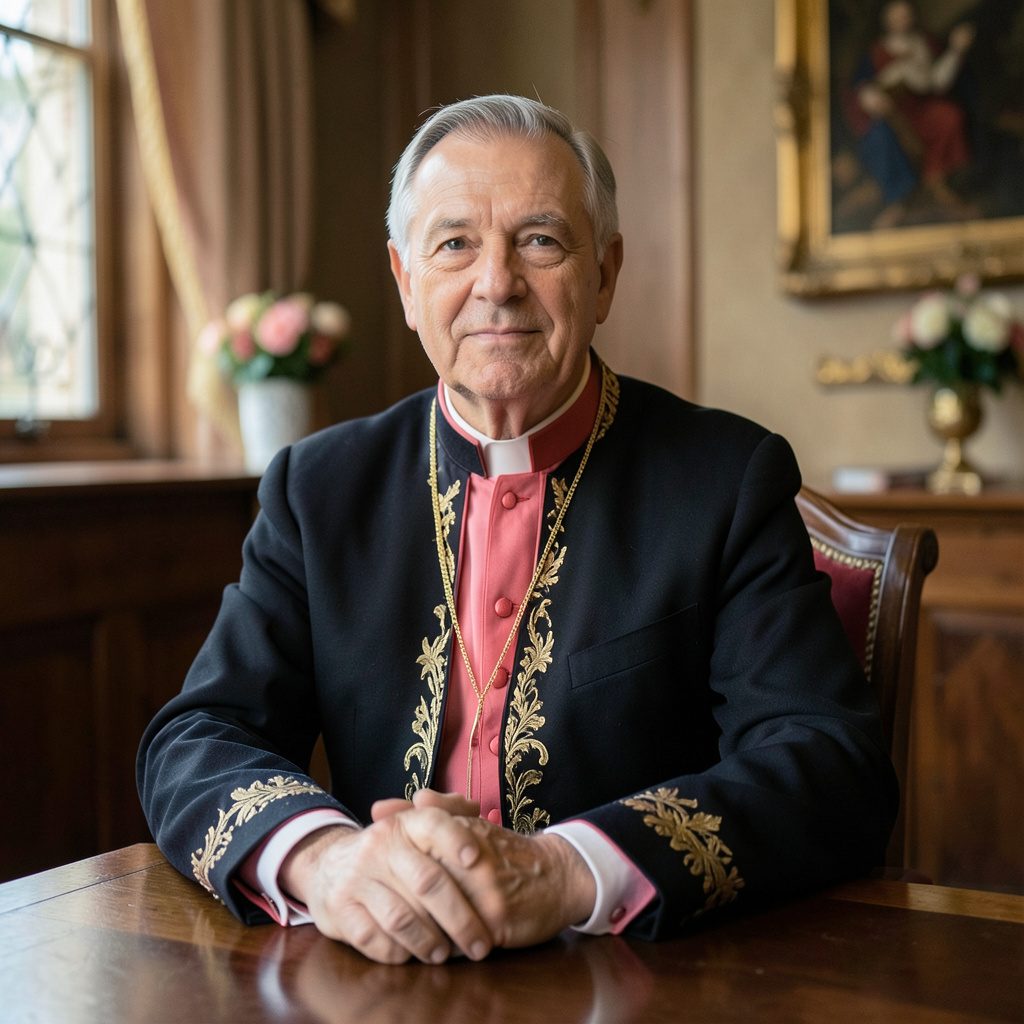
This Week in the Diocese
- Bishop's Corner — weekly reflection from the diocese
- Parish Day celebrations across the vicariates
- Vocation Months — formation and discernment events
- Reflections, news, and gallery updates daily
What the vestments worn at Mass mean
At a Sunday Mass, the colour and silhouette of the priest’s clothing often draw the eye before the assembly begins. These garments belong to a long tradition of worship, yet their significance reaches beyond decoration. Within Roman Catholic worship, vestments function as liturgical signs of identity, responsibility and the season being celebrated.
The meaning behind the vestments worn at Mass therefore unfolds through the life of the Church. The bishop, priest and deacon each express a distinct form of ministry, while the altar and congregation frame the action. In the Diocese of Antipolo, these signs accompany a vibrant Filipino Catholic community devoted to prayer, formation and service.
That connection travels well beyond the Philippines. Catholic communities in Sydney and Melbourne include many Filipino families, alongside priests and religious from the Philippines. The vestments seen in a Filipino parish or a bilingual neighbourhood gathering reveal a shared faith expressed through a universal liturgical language.
Australian weather adds another dimension. A worshipper heading to Mass in Melbourne may leave a coat on the bus, while someone in Darwin might unfasten a fan as the church fills. Everyday parish routines—coffee after Mass, attending school Masses and caring for spare altar linen—make the signs part of familiar community life.
Garments that grew from ordinary clothing
Early Christians celebrated the Eucharist in ordinary clothes, including tunics and cloaks familiar from daily life. As worship became more formal, distinctive garments were developed to express particular roles. The history explains why names such as alb and chasuble refer to tunics and outer garments rather than abstract concepts.
The alb descends from the Roman tunic, while the chasuble developed from a poncho-like outer garment. A stole began as a scarf-like cloth, and a cincture as a belt. These origins help show how material culture is taken into the liturgy and set apart for sacred use.
This development was theological as well as visual. Distinct vestments allowed the Church to express ordered ministry, and vesting became a prayer asking God to sanctify the minister’s service. The congregation recognised each person’s role, while the garment directed attention towards the work being done for God.
The chasuble and the work at the altar
The chasuble is the principal vestment of a priest or bishop celebrating the Eucharist. Its front and back panels now form the familiar shape, although older examples were circular with an opening for the head. Worn over the alb and stole, it expresses the unity of the celebrating priest with the presider’s ministry and with the assembly.
The stole carries a second meaning: the authority to preach the Gospel and the responsibility to pray for the people. A bishop may add a cope, mitre and crozier according to the celebration. These signs distinguish oversight without turning the altar into a display of personal rank.
A deacon’s stole rests across one shoulder, marking diaconal service, while a dalmatic or tunicle recalls the servant’s role in proclaiming the Gospel. These garments belong to a wider ministry. For further information about the Diocese of Antipolo, its diocesan services page provides a practical reference.
Colours that follow the liturgical calendar
Vestment colour follows the liturgical calendar, not a personal preference. Green is used during Ordinary Time, suggesting growth and the journey of faith. White marks Christmas, Easter and other feasts of Christ, while red is associated with Pentecost, the Holy Spirit and the martyrs.
Violet marks Advent and Lent, preparing for Christmas and the Paschal celebration. Gold is used on some solemn occasions to express joy and heavenly glory. Blue may appear for Marian celebrations where local norms permit it. The colours proclaim the rhythm of salvation through clothing.
The same calendar is shared by Roman Catholics in Antipolo and Australia, although local customs shape how communities express it. Filipino traditions of Christmas dawn Masses and festive Easter gatherings give particular cultural resonance to white and gold. The underlying message remains the same everywhere: Christ is the centre of the celebration.
The alb, stole and signs of ministry
The alb is the white linen garment worn over the priest’s clothing, associated with baptismal newness, joy and readiness to serve. The cincture secures it at the waist and has long symbolised self-discipline. Together, these simple pieces show that holiness is expressed through humble service.
The stole also recalls the early Church’s care for the vulnerable and the bishop’s responsibility for the flock. Priests and bishops normally wear it around the neck, while deacons wear it across one shoulder. A maniple on the left arm honours the Word of God, carrying an older association with the duties of a servant.
These differences in placement and form help the congregation understand the action at the altar. They also prevent liturgical dress from being mistaken for a decorative uniform. Each sign has a history of use and a spiritual purpose, allowing the visible Church to teach about invisible responsibilities.
Materials, makers and responsible care
Materials and workmanship have long honoured God and supported the ministry of those who wear vestments. Rich embroidery, fine linen and gold thread can be fitting, but a vestment’s value lies in its sacred use rather than its price. Good care preserves both appearance and the dignity of the celebration.
Australian parish shops and specialist suppliers offer ready-made chasubles, imported fabrics and individually sewn altar linen. Local craft groups also contribute their work. Buyers should check measurements, fabric and lining carefully, especially for an unusual parish or a priest serving across several communities.
The local market is governed by familiar rules. The Australian Consumer Law requires accurate descriptions and acceptable quality for goods supplied in trade or commerce. When a parish raises money through a market stall, fundraising records and responsible oversight matter; for an association registered as a charity under the Commonwealth’s Charities Act 2013, trustee duties and reporting form part of that accountability.
Vestments within Australian parish life
Australian parish life gives these signs many ordinary settings: a crowded Sunday Mass in Sydney, a school chapel in Melbourne, a wedding, a funeral and the annual blessing of the fleet. Children encounter the alb, stole and chasuble before they understand the roles behind them, learning through repetition.
For Filipino families attending Mass in Australia, the colours and gestures may also connect childhood memories with parish life. Priests ministering in the Philippines often serve in multilingual Australian communities, where the Church’s signs become familiar across languages. Vestments offer continuity without requiring the surrounding culture to disappear.
Knowledge of the vestments deepens the prayerful attention already offered by the assembly. A priest in green during Ordinary Time, a bishop in white at Easter and a deacon in a dalmatic each direct the eye towards a particular aspect of the Gospel. Their shared purpose is to make the Church’s saving work visible.
Contact the Diocese
Reach the diocesan offices for inquiries about parishes, sacraments, ministries, and PPCRV resources including the One Good Vote Campaign and Voter Verification.
- Diocesan Curia
- Diocese of Antipolo, Philippines
- Social Communication
- Official Facebook & Twitter feeds linked from the site
- PPCRV
- Pastoral Social Communication and Religious Education