The official home of the Roman Catholic Diocese of Antipolo in the Philippines — sharing bishop's messages, parish directories, news, reflections, and community updates from across our vicariates.
Read Latest Updates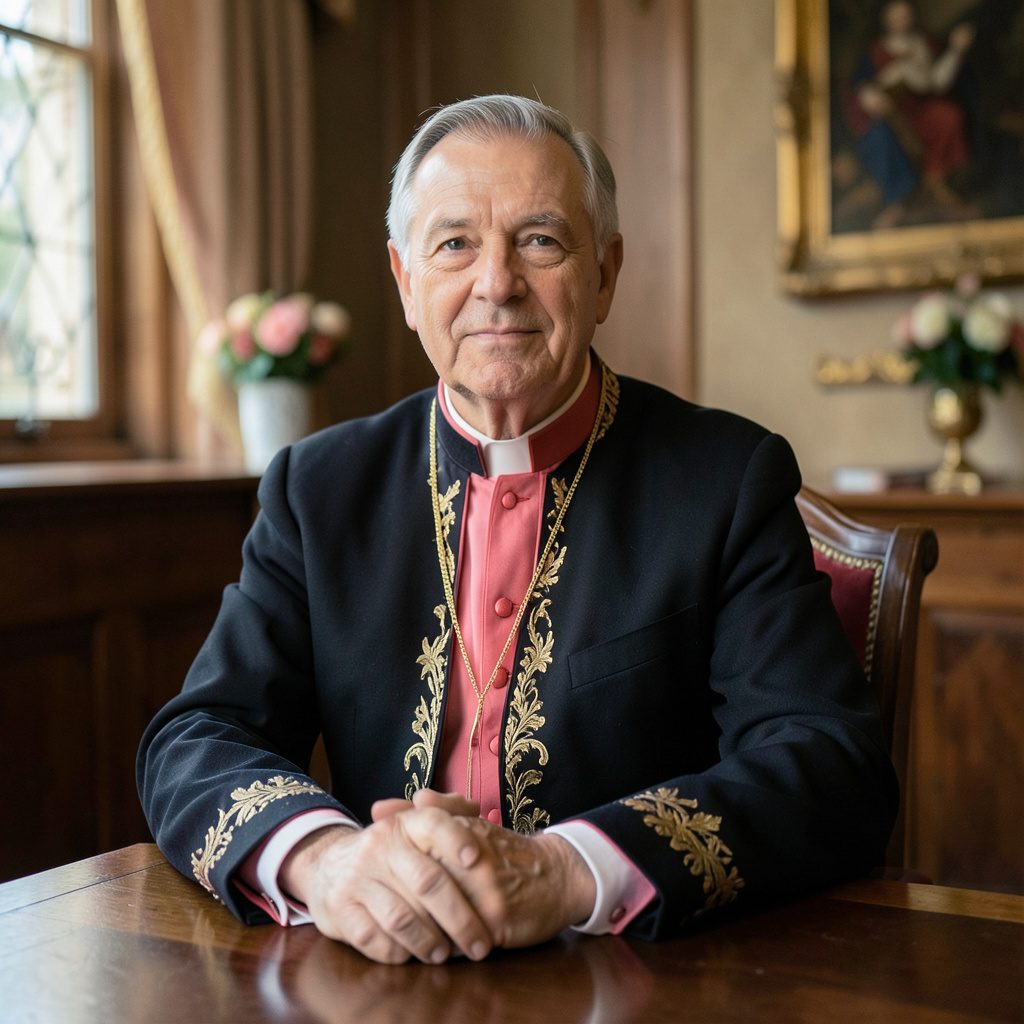
This Week in the Diocese
- Bishop's Corner — weekly reflection from the diocese
- Parish Day celebrations across the vicariates
- Vocation Months — formation and discernment events
- Reflections, news, and gallery updates daily
The diocesan bishop as shepherd of the local Church
The image of the shepherd has shaped how Catholics understand episcopal ministry for centuries. In the Diocese of Antipolo, as in dioceses across the Philippines and Australia, the bishop is called to embody the care described in scripture: feeding the flock, seeking out the lost, and laying down his life for those entrusted to him.
In sprawling centres from Quezon City to Sydney, from Cebu to Melbourne, the realities of pastoral leadership share much in common. Communities are multicultural, the demand for sacramental life is constant, and forming disciples reaches far beyond parish boundaries. Within this context, the bishop exercises a ministry at once ancient and contemporary.
The shepherd metaphor speaks of more than governance. It evokes a personal bond between the one who leads and the people served. For the faithful gathered around cathedrals such as St Patrick's in Melbourne or in the smaller but vigorous parishes of Antipolo, this bond gives the local Church its warmth and its witness.
Scriptural and patristic foundations of episcopal shepherding
The pastoral vocation of a bishop is rooted in the New Testament. Christ, the Good Shepherd of John's Gospel, commissions Peter to feed his lambs and tend his sheep. Paul urges the elders of Ephesus to shepherd the community of God with watchful care. These texts became the bedrock of how the early Church understood those who would preside over local communities.
Patristic writers sharpened this picture. Ignatius of Antioch placed the bishop at the centre of local unity, describing his role as a living image of the Father. Cyprian of Carthage insisted that the bishop holds personal responsibility for the faith and sacraments of his flock. Across the centuries, this inheritance has been transmitted through ordination rites in which the new bishop receives a shepherd's crozier.
Australian Catholics encounter these roots in tangible settings. The cathedrals of Sydney, Brisbane, Adelaide, Perth, Hobart, and Darwin each carry the weight of this continuity, and their bishops are received into a lineage reaching back to the apostles.
Teaching and sanctifying the local Church
A shepherd feeds the flock, and a diocesan bishop does this first through the ministry of the word. Preaching in the cathedral, issuing pastoral letters, supporting catechetical programmes, and accompanying Catholic schools all fall under his teaching office. In Australia, where Catholic education forms a significant part of the national schooling landscape, a bishop's guidance carries particular weight. His voice shapes how the Gospel is received in classrooms across the country, from Parramatta to Ballarat.
The teaching office is inseparable from sanctification. By presiding at the Eucharist, confirming the young, ordaining priests, and consecrating altars, the bishop draws the local Church into the mystery it proclaims. Cathedrals such as St Mary's in Sydney and St Stephen's in Brisbane serve as visible centres of this sacramental life, gathering tens of thousands each year for the central celebrations of the liturgical year.
A bishop also plays a vital role in forming conscience. Through the Australian Catholic Bishops Conference, he joins his brother bishops in offering guidance on matters of public life. Statements on the dignity of the human person, care for creation, and the treatment of refugees shape the Church's contribution to national conversation.
Forming future priests and supporting vocations
The bishop is the chief steward of priestly vocations in his diocese. He receives seminarians, directs their formation, and one day lays hands upon them at ordination. This responsibility goes well beyond academic preparation. It involves shaping men who can preach the Gospel, celebrate the sacraments worthily, and accompany their people through both joyful and painful seasons.
In Australia, seminary formation at places such as the Holy Spirit Seminary in Banyo, Queensland, reflects the seriousness with which this task is approached. The Diocese of Antipolo, with its youthful population and lively parish communities, faces the same invitation to awaken vocations and accompany them patiently.
Fostering vocations also means listening to the wider Church. Youth ministry, outreach at universities such as Australian Catholic University, and the patient witness of priests and religious help young people recognise a possible call. The bishop animates these efforts, encouraging families and parishes to be seedbeds of vocation.
Governing with humility and synodal listening
Shepherding involves authority, but the Church has always understood episcopal authority as service. The Code of Canon Law places governance in the hands of the bishop, yet presents this governance as something to be exercised in dialogue with the presbyterate, the college of consultors, and the pastoral council.
The Plenary Council of Australia, held across 2021 and 2022 under the theme "Listen to what the Spirit is saying," gave this conviction renewed expression. It asked bishops to lead by listening, share decision-making more widely, and trust the sensus fidei of the people of God. For the Diocese of Antipolo, with its mix of urban and rural parishes on the eastern fringe of Metro Manila, similar questions arise as the local Church responds to migration, housing pressures, and changing family life.
Good governance also demands attention to temporal goods. From stewardship of church properties to oversight of charitable agencies, the bishop is accountable for resources that sustain the mission. Transparency in financial matters and adherence to civil obligations have become part of the public witness expected of every diocesan bishop.
Walking with the suffering and the vulnerable
The shepherd who searches for the lost sheep is a powerful sign of the bishop's duty toward those on the margins. This includes the sick in Catholic and public hospitals, prisoners, the elderly in aged care, families experiencing broken relationships, and people displaced by poverty or migration.
In Australia, the Church's pastoral response has been shaped in recent decades by the Royal Commission into Institutional Responses to Child Sexual Abuse. Bishops have been called to profound conversion, to safer environments for the young, and a sustained outreach to survivors. This work continues across the country and offers a model of self-examination expected of every bishop.
The Diocese of Antipolo carries its own concerns: informal settlers in hillside communities, workers commuting long distances, and young people seeking meaning in a rapidly urbanising environment. A shepherd walks among these realities rather than above them. His presence in chapels, prisons, evacuation centres, and small barangay chapels becomes a sign that the Church has not forgotten anyone.
Communion with priests, religious, and laity
No bishop shepherds alone. The presbyterate shares in his pastoral care, religious sisters and brothers offer the gift of consecrated life, and lay faithful carry the Gospel into workplaces, schools, and homes. Australian religious institutes such as the Sisters of St Joseph, founded by Saint Mary MacKillop, show how a bishop's collaboration with consecrated life can bear fruit for generations.
Lay associations, parish councils, and movements such as the Legion of Mary enrich this communion. Catholic universities, including Australian Catholic University with campuses in several cities, form leaders who serve the Church in teaching, research, and pastoral ministry. The bishop accompanies these realities, encouraging them while keeping the local Church focused on its essential mission.
Such communion is also expressed through fraternal bonds with other bishops. Participation in conferences, ad limina visits, and shared initiatives of charity keep the diocesan bishop rooted in the wider Church. A shepherd does not stand isolated but is supported by his peers, an image of the collegiality Christ willed for his disciples.
Contact the Diocese
Reach the diocesan offices for inquiries about parishes, sacraments, ministries, and PPCRV resources including the One Good Vote Campaign and Voter Verification.
- Diocesan Curia
- Diocese of Antipolo, Philippines
- Social Communication
- Official Facebook & Twitter feeds linked from the site
- PPCRV
- Pastoral Social Communication and Religious Education