The official home of the Roman Catholic Diocese of Antipolo in the Philippines — sharing bishop's messages, parish directories, news, reflections, and community updates from across our vicariates.
Read Latest Updates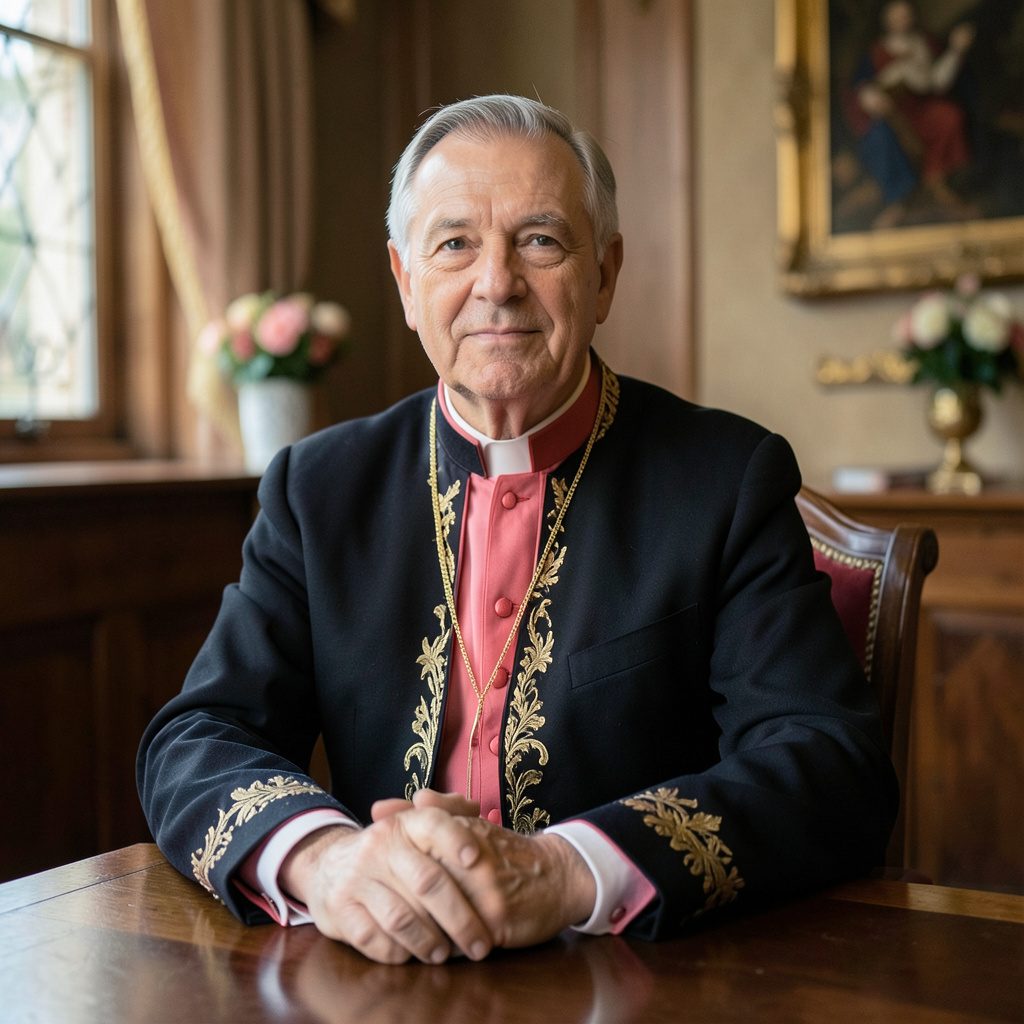
This Week in the Diocese
- Bishop's Corner — weekly reflection from the diocese
- Parish Day celebrations across the vicariates
- Vocation Months — formation and discernment events
- Reflections, news, and gallery updates daily
The Role of the Diocesan Communications Office
A diocesan communications office helps the Church speak clearly, faithfully and pastorally across many communities. Its work connects the bishop’s messages, parish announcements, worship information, formation resources and stories of service with people who may encounter the diocese first through a website, social media post or online notice.
For Catholics in Australia, this role has particular importance. A parishioner in Sydney, Melbourne, Brisbane or Perth may seek information about a Filipino Mass, a diocesan event or a faith resource while living far from family and familiar parish networks. Clear digital communication can make the Church’s presence easier to find, understand and share.
Giving a clear voice to the diocese
The communications office supports the bishop and diocesan leadership by preparing messages that express the Church’s teaching, pastoral priorities and response to current events. This requires careful listening, accurate reporting and language that respects both the depth of Catholic tradition and the everyday concerns of parish communities.
A bishop’s statement may address prayer, social responsibility, a feast day, a disaster or a change in diocesan life. The communications team helps present that message in suitable forms: a website article, a pastoral letter, a video, a social media update or a parish bulletin item. Each format should remain consistent in meaning while being accessible to its intended audience.
Connecting parishes and communities
A diocese includes many parishes, schools, chaplaincies, ministries and charitable initiatives. Without a central communications function, useful information can remain scattered across separate noticeboards and social media accounts. A coordinated office creates pathways between these communities and makes local activity visible across the wider Church.
This is valuable for Australian Catholics who move between cities, attend migrant chaplaincies or belong to parishes with several language groups. Someone in Melbourne may need to find a Filipino celebration, while a family in Brisbane may be looking for youth formation or a baptism preparation programme. A well-maintained directory and calendar reduce confusion and encourage participation.
Maintaining a trusted digital presence
A diocesan website is more than an online brochure. It is a public point of welcome where visitors can find parish and clergy information, pastoral reflections, events, galleries and practical guidance. The diocesan services section can help people move from general interest to meaningful contact with the Church and its ministries.
Trust depends on accuracy and consistency. Telephone numbers, office hours, event dates and registration details should be reviewed regularly. Pages should work well on mobile devices, since many people access information on a phone while travelling on Sydney trains, waiting at a Melbourne tram stop or preparing for Sunday worship.
Sharing the life of faith
Communications work should show that the Church is a living community rather than an institution that speaks only through formal announcements. Photographs, interviews, testimonies and reports from parish activities can reveal how people pray, learn, serve and accompany one another.
Stories of a food drive, a youth gathering, a vocation event or a school liturgy can encourage other communities to act. They also help families in Australia remain connected with relatives and Catholic communities in the Philippines. During Christmas, Easter or Flores de Mayo celebrations, thoughtful coverage can honour cultural customs while welcoming people from different backgrounds.
Supporting formation and discernment
A communications office plays an important role in faith formation by directing people towards reliable Catholic resources. Its role is not to replace catechists, clergy or teachers, but to help people discover materials that support prayer, Scripture, sacramental preparation and responsible Christian living. Content should be grounded in the Church’s teaching and presented in language suitable for its audience.
Digital ministry can also support those discerning a vocation or seeking deeper spiritual direction. A parishioner may begin by reading a reflection, watching a testimony or finding a formation resource such as faith formation materials. For Australian audiences, online access is especially helpful where distances are large, public transport is limited or work and family commitments make regular attendance difficult.
Communicating during difficult moments
The office becomes especially important during emergencies and sensitive situations. Severe storms, bushfires, floods and public health concerns can affect parish schedules and community services. Clear updates help people know whether Masses, meetings, schools or outreach programmes will continue, change location or move online.
Communication must also be careful when responding to grief, conflict or safeguarding concerns. The tone should be compassionate, factual and respectful of privacy. Sensitive information should be shared through proper channels, while public messages should direct people towards appropriate pastoral, legal or support services. In Australia, where communities may be spread across wide distances, timely digital updates can prevent rumours and support practical care.
Building participation and accountability
Good communication invites people into the mission of the Church. It explains how to register for an event, contact a parish, volunteer in a ministry, support a charitable project or learn about a religious vocation. A simple and welcoming message can turn passive interest into participation.
The communications office also helps the diocese listen. Website contact forms, event feedback, parish stories and social media responses can reveal questions that deserve pastoral attention. At the same time, communication should protect personal information and follow responsible standards for photography, consent and child safety.
Serving a changing Catholic public
The audience for diocesan communication includes practising Catholics, occasional worshippers, families exploring the faith, journalists, educators and people seeking help. These groups do not all use the same language or look for information in the same way. A strong office therefore combines pastoral sensitivity with editorial discipline, accessibility and an understanding of digital habits.
For Catholics in Australia, this service can strengthen links between local parish life and the wider universal Church. Whether someone is reading a bishop’s message in Adelaide, checking a Mass time in Canberra or following a diocesan gallery from regional New South Wales, accurate communication offers a point of connection. It helps the Church speak with clarity, listen with care and make its mission visible in daily life.
Contact the Diocese
Reach the diocesan offices for inquiries about parishes, sacraments, ministries, and PPCRV resources including the One Good Vote Campaign and Voter Verification.
- Diocesan Curia
- Diocese of Antipolo, Philippines
- Social Communication
- Official Facebook & Twitter feeds linked from the site
- PPCRV
- Pastoral Social Communication and Religious Education