The official home of the Roman Catholic Diocese of Antipolo in the Philippines — sharing bishop's messages, parish directories, news, reflections, and community updates from across our vicariates.
Read Latest Updates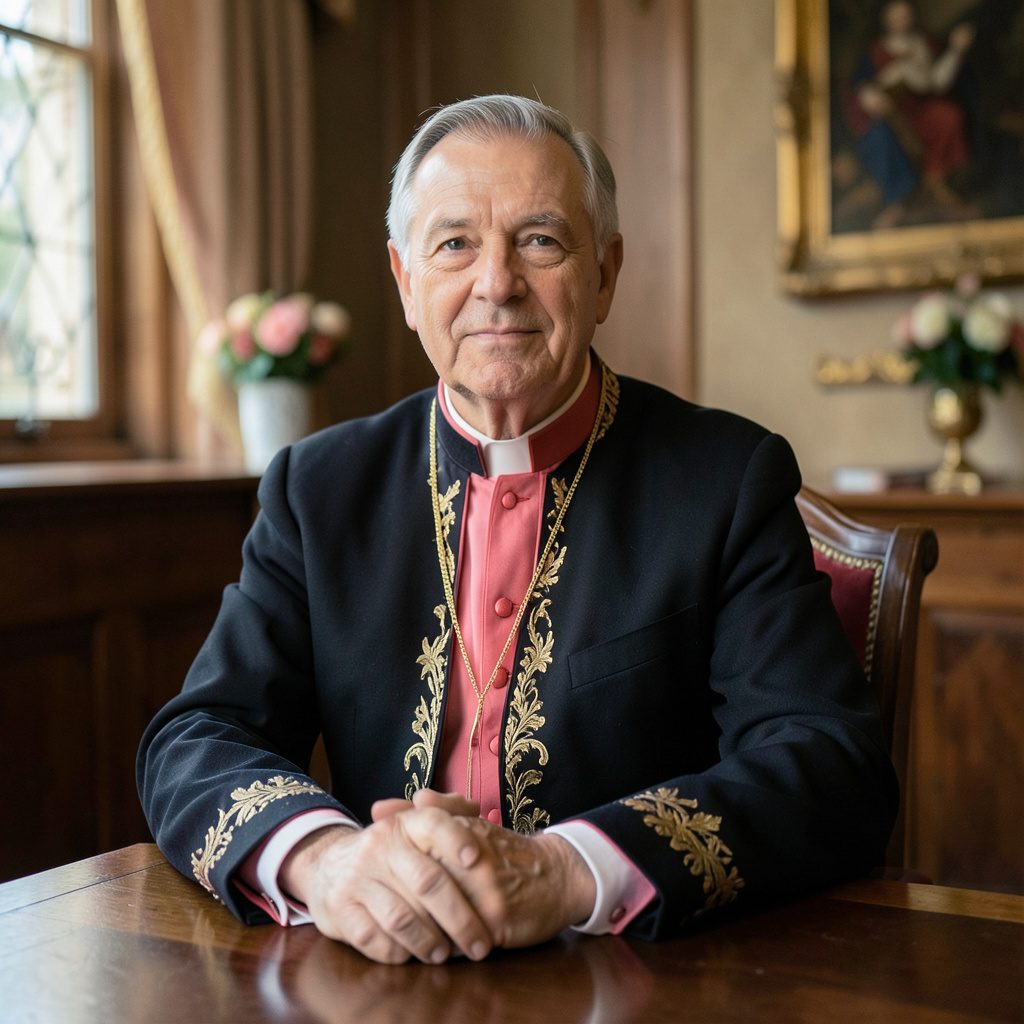
This Week in the Diocese
- Bishop's Corner — weekly reflection from the diocese
- Parish Day celebrations across the vicariates
- Vocation Months — formation and discernment events
- Reflections, news, and gallery updates daily
Lay faithful shaping the mission of the Diocese of Antipolo
The Catholic faithful of Antipolo are not bystanders in the life of the local Church. They are active builders of its mission, called from baptism to make the Gospel visible in the cities, towns, and rural areas that make up the diocese. Across parishes from Taytay to Angono, the laity contribute their gifts, professions, and everyday witness to a Church that is alive and outward-looking.
For many Filipino Catholics now living in Australia, the connection to the Diocese of Antipolo remains deeply felt. In places such as Blacktown, Parramatta, and the parishes along the train line through Western Sydney, communities gather for novenas to Our Lady of Antipolo, the patroness invoked across generations. The same baptismal identity that animates lay ministry in the Philippines travels with these families, shaping how they volunteer at the parish, organise processions, and accompany newcomers settling into life on the other side of the world.
This shared identity invites reflection on what it means to be lay in a local Church today. The Second Vatican Council's teaching on the lay faithful continues to guide how the people of God exercise their vocation. The Diocese of Antipolo draws on this tradition while responding to the concrete circumstances of its own communities, both at home and within the global Filipino Catholic diaspora.
A vocation rooted in baptism
The starting point for any reflection on the laity is the dignity received at baptism. Every Christian shares in the common priesthood of the faithful, a real participation in Christ's own mission. In the Diocese of Antipolo, this teaching shapes how parish pastoral councils are formed, how catechists are commissioned, and how ordinary people are invited to take responsibility for the life of their worshipping community.
This baptismal identity carries obligations toward the world in which the Church is planted. Lay people live their vocation in families, workplaces, schools, and civic spaces, bringing Gospel values into conversations far removed from the sanctuary. A teacher in a public school, a nurse in a community clinic, a parent raising children in the faith — each setting is a place for the lay apostolate.
Co-responsibility in parish life
In Antipolo's parishes, the rhythm of the week depends heavily on lay men and women who serve as lectors, commentators, Eucharistic ministers, choir members, and sacristans. These roles are not decorations around the work of the clergy. They are essential expressions of a co-responsibility that has grown deeper since the Council. Parish Pastoral Councils, Finance Councils, and ministry committees bring the perspective of the faithful to decisions about worship, outreach, and the stewardship of resources.
Lay leadership also extends to the wider Catholic landscape. In Australia, bodies such as the Australian Catholic Bishops Conference and diocesan agencies in Sydney, Melbourne, and Perth rely on substantial lay involvement in education, professional ethics, and social research. Filipino-Australian Catholics who know this style of collaboration can offer valuable experience to parish communities in Antipolo, particularly as the diocese prepares lay leaders for the years of formation ahead.
Catechesis and the passing of faith
Few expressions of the lay vocation are more foundational than catechesis. Parents are the primary educators of their children in the faith, and the parish community supports this work through baptismal preparation, First Communion programmes, and Confirmation retreats. In Antipolo, volunteer catechists walk alongside parents, often giving up their Saturday arvos to guide a group of children through the central prayers, the seasons of the liturgical year, and the moral framework of Catholic life.
The diocese invests in the formation of catechists through regular training seminars. In Australian parishes, the Rite of Christian Initiation of Adults relies heavily on lay sponsors and team members who walk with catechumens through months of discernment. The Australian Plenary Council, with its call to listen and walk together, has encouraged deeper lay engagement that resonates with catechumenate work in Antipolo's vicariates.
Service, charity, and the works of mercy
The call to service lies at the heart of lay identity. In Antipolo, the practical works of mercy find expression through parish outreach to the poor, hospital visitation, and ministry to the elderly and homebound. Lay people are often the first to identify a need in the neighbourhood and to bring it to the parish for organised action.
The same instinct for service carries into the wider Catholic community in Australia, where organisations such as Caritas Australia and the St Vincent de Paul Society, known affectionately as Vinnies, carry out works of relief and justice. Filipino-Australian Catholics often join conferences in places such as St Marys or Cabramatta, linking local generosity with projects overseas. The Diocese of Antipolo can strengthen these bridges by recognising the lay missionary work that happens beyond its borders.
Family as the domestic church
The family is often described as the domestic church, a small community where the faith is first prayed, first explained, and first lived. In the Diocese of Antipolo, family ministry is central, not an addition to parish life. Couples preparing for marriage, parents bringing infants for baptism, and grandparents passing rosaries to grandchildren all belong to this web of relationships that sustains the Church.
This vision finds resonance in Australian Catholic life, where Catholic schools remain a significant presence in suburbs and regional centres and where family-based faith practices continue even as Sunday Mass attendance shifts. Pastoral letters from the bishop and formation programmes for parents in Antipolo both aim to strengthen families as places of prayer, forgiveness, and Gospel conversation, recognising that the future of the diocese depends on the spiritual health of the household.
Youth, young adults, and vocation
No reflection on the lay faithful is complete without attention to young people. In Antipolo, youth ministry gathers adolescents and young adults for formation, fellowship, and service, encouraging them to discern how God is calling them, whether to consecrated life, marriage, single life, or ordained ministry. The diocese supports seminarians and aspirants to religious life, but it also recognises that the majority of young people will live out their vocation as lay people.
Young Filipino-Australians are a vibrant presence in parishes across greater Sydney and Melbourne, and many keep strong ties to devotions such as the Salubong, the Flores de Mayo, and the novena to Our Lady of Antipolo. Engagement with this diaspora, through youth exchanges and shared pilgrimages, can enrich the diocese and remind the local Church that the lay vocation is lived faithfully across continents.
Witness in the wider community
The lay faithful are called to bring Catholic conviction into public life. This includes participation in elections, advocacy for the poor and the unborn, care for creation, and respect for human dignity in workplaces and on social media. The Diocese of Antipolo encourages its lay people to be informed, prayerful, and courageous in these arenas.
In Australia, Catholic Social Teaching shapes the work of many advocacy groups, and lay Catholics contribute to public debate on asylum seekers, Indigenous reconciliation, and the dignity of work. Filipino-Australians who know both the Antipolo tradition and the Australian public square can model citizenship drawn from Catholic conviction without withdrawing from civic engagement. Their witness reminds the whole diocese that the lay vocation is a public service.
Contact the Diocese
Reach the diocesan offices for inquiries about parishes, sacraments, ministries, and PPCRV resources including the One Good Vote Campaign and Voter Verification.
- Diocesan Curia
- Diocese of Antipolo, Philippines
- Social Communication
- Official Facebook & Twitter feeds linked from the site
- PPCRV
- Pastoral Social Communication and Religious Education