The official home of the Roman Catholic Diocese of Antipolo in the Philippines — sharing bishop's messages, parish directories, news, reflections, and community updates from across our vicariates.
Read Latest Updates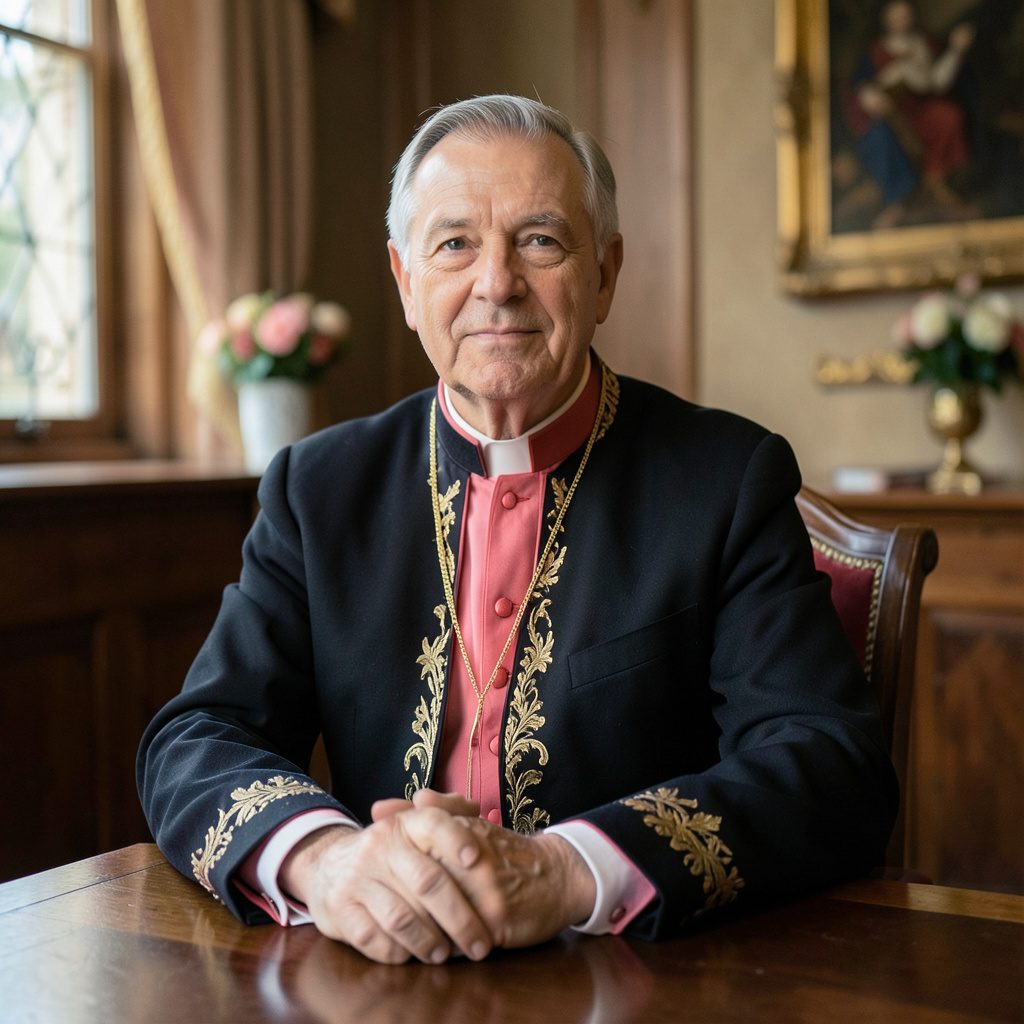
This Week in the Diocese
- Bishop's Corner — weekly reflection from the diocese
- Parish Day celebrations across the vicariates
- Vocation Months — formation and discernment events
- Reflections, news, and gallery updates daily
The spiritual works of mercy explained
Mercy is at the heart of Christian discipleship. In the Gospel, Jesus shows that love becomes visible through patient guidance, forgiveness, consolation, prayer and a willingness to stand beside people in distress. The spiritual works of mercy help Catholics recognise these duties in ordinary relationships, parish life and public service.
For Catholics in Australia, these works speak to many familiar situations: supporting a neighbour after a bushfire, visiting someone in aged care, welcoming a new migrant family or listening to a young person facing pressure at school. They invite Christians to bring the compassion of Christ into homes, workplaces, schools, hospitals and local communities.
What spiritual mercy means
The spiritual works of mercy are traditional acts of love directed towards a person’s inner life, conscience and relationship with God. They include teaching the faith, offering wise counsel, correcting harmful behaviour, bearing wrongs patiently, forgiving injuries, comforting those who suffer and praying for the living and the dead.
These actions require humility. Mercy is not about controlling another person or proving moral superiority. It means seeking another person’s good while respecting freedom, dignity and the right pace for healing. A parishioner who listens carefully before speaking may practise mercy more faithfully than someone who gives quick advice.
Teaching the faith with care
To instruct the uninformed is to share truth that helps people live with hope and purpose. This can happen through sacramental preparation, a Scripture group, a conversation after Mass or a simple explanation of why the Church prays in a particular way. Parents, catechists, teachers and sponsors all have important roles in passing on the faith.
Good instruction begins with attention to the person’s questions and experience. In a multicultural parish in Melbourne or Western Sydney, people may come from different Christian traditions, cultures or levels of religious practice. Clear language, patience and respect make faith formation welcoming rather than intimidating. Catholic education should form the whole person, joining knowledge with prayer and service.
Offering counsel to those who are uncertain
Many people face decisions that carry spiritual and emotional weight: whether to reconcile with a family member, how to respond to a difficult workplace situation or how to discern a vocation. To counsel the doubtful is to help someone consider these matters honestly in the light of the Gospel, without taking away their responsibility to choose.
Counsel does not mean having an instant answer for every problem. A trusted friend, priest, religious sister, school leader or pastoral worker may begin by listening. Someone working long FIFO rosters in Western Australia, for example, may need steady spiritual support during isolation and fatigue. Wise counsel can include Scripture, prayer, practical boundaries and referral to professional help when a concern involves mental health, abuse or serious risk.
Correcting with truth and gentleness
The work sometimes called admonishing the sinner is a responsibility to challenge actions that harm a person or the community. It must never become humiliation, gossip or public shaming. Jesus calls his disciples to speak truth with love, and that requires examining one’s own motives before addressing another person.
A private conversation is usually more respectful than a confrontation in front of others. The purpose is restoration and protection, particularly when vulnerable people may be affected. In parish settings, safeguarding procedures and diocesan policies provide essential guidance. Mercy supports accountability; it does not excuse abuse, coercion, exploitation or repeated serious harm.
Bearing wrongs patiently
Patience in the face of another person’s faults is a spiritual discipline. Families, workplaces and parish groups can become strained by misunderstandings, personality differences and careless words. Bearing wrongs patiently means refusing to answer every irritation with anger, while still taking appropriate action when a pattern of behaviour needs to be addressed.
This virtue is especially relevant in a society where people often speak directly and expect quick responses. An “arvo” disagreement in a parish kitchen or a tense exchange in a volunteer team may be eased by pausing before replying. Patience is not passive acceptance of injustice. It can mean setting a firm boundary, asking for mediation or allowing time for emotions to settle before seeking reconciliation.
Forgiving injuries and rebuilding trust
Forgiveness releases the desire for revenge and places justice in God’s hands. It does not deny the seriousness of a wound or require a person to pretend that nothing happened. A victim may need distance, legal protection, counselling and the support of trusted pastoral professionals before any form of reconciliation is possible.
Christian forgiveness is often gradual. Prayer may begin with the honest admission that forgiveness feels impossible. Over time, grace can soften resentment and open a path towards freedom. Trust, however, must be rebuilt through truthful repentance and consistent change. A community shaped by mercy avoids spreading rumours and gives people space to heal with dignity.
Comforting the afflicted
To comfort those who are troubled is to share another person’s burden without rushing to explain it away. The afflicted may include people grieving a death, living with illness, experiencing homelessness, facing family breakdown or carrying anxiety that others cannot see. Often the most merciful response is quiet presence, a meal, a lift to an appointment or a phone call made at the right time.
Australian communities regularly see this care after floods, bushfires and other emergencies. Parishioners may support a local St Vincent de Paul conference, visit residents in aged care or help a newly arrived family navigate unfamiliar services. These practical acts become spiritual when they recognise Christ’s presence in the suffering person and protect their dignity.
Praying for the living and the dead
Prayer is an act of communion. When Catholics pray for the living, they entrust families, leaders, the sick, those making difficult decisions and people far from the Church to God’s grace. Intercession can be offered at Mass, in the Rosary, during personal prayer or through a brief prayer shared with someone who has asked for support.
Prayer for the dead expresses hope in God’s mercy and gratitude for lives received as a gift. Parish communities remember the faithful departed at funerals, anniversaries and November liturgies, while families may visit a cemetery or keep a prayerful remembrance at home. Readers interested in broader reflections on spiritual practice may also consult a comparative reflection resource, while keeping Catholic prayer grounded in Scripture, the sacraments and the teaching of the Church.
Mercy in parish and daily life
The spiritual works of mercy become credible when they shape habits rather than remain a list to memorise. A parish might express them through a welcoming team, a bereavement ministry, faith formation, prison outreach, youth accompaniment or a prayer group for people in crisis. Each ministry begins with the conviction that every person bears God-given dignity.
For individuals, a merciful week may involve listening before speaking, sending encouragement to someone who is lonely, apologising without excuses or praying for a person who is difficult to understand. These small choices form the heart in Christ’s way of love. Through them, Catholic communities in Australia can become places where truth is spoken kindly, suffering is shared and hope is kept alive.
Contact the Diocese
Reach the diocesan offices for inquiries about parishes, sacraments, ministries, and PPCRV resources including the One Good Vote Campaign and Voter Verification.
- Diocesan Curia
- Diocese of Antipolo, Philippines
- Social Communication
- Official Facebook & Twitter feeds linked from the site
- PPCRV
- Pastoral Social Communication and Religious Education