The official home of the Roman Catholic Diocese of Antipolo in the Philippines — sharing bishop's messages, parish directories, news, reflections, and community updates from across our vicariates.
Read Latest Updates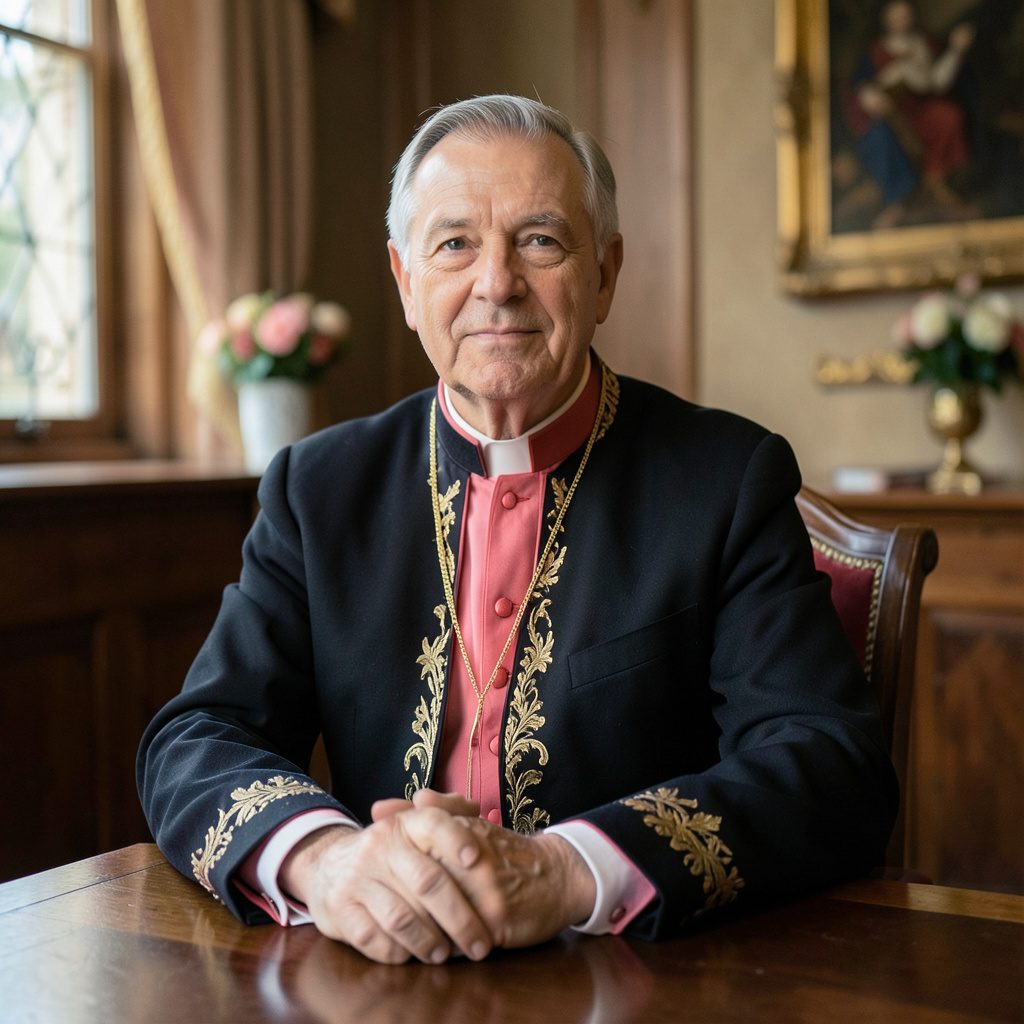
This Week in the Diocese
- Bishop's Corner — weekly reflection from the diocese
- Parish Day celebrations across the vicariates
- Vocation Months — formation and discernment events
- Reflections, news, and gallery updates daily
Nurturing Young Disciples in the Heart of Antipolo
Across the rolling terrain of Rizal province, the Diocese of Antipolo has long recognised that young people are not merely the future of the Church but its vibrant present. Pastoral workers, school chaplains and volunteer leaders gather in parishes from Antipolo City to the upland barangays of Tanay, weaving programs that speak to the joys and pressures of teenage life. The diocese's vision for its young members rests on a simple conviction: faith grows when it is shared, celebrated and put into action alongside caring adults.
Australia shares many of those hopes. Parishes in Parramatta, Melbourne and Brisbane wrestle with the same questions about how to keep Catholic youth connected in a culture saturated with digital noise and competing commitments. The Antipolo model, with its blend of formation, mission and fellowship, resonates with Australian youth leaders who look to Asia-Pacific neighbours for fresh ideas. Whether a teenager in Casuarina or one in Cainta, the longing for belonging and purpose crosses oceans.
At the core of every initiative lies accompaniment. Priests, religious sisters, campus ministers and trained youth workers walk alongside adolescents as they wrestle with doubt, friendship, career choices and the call of God. That style of ministry shapes every program described in the pages that follow, and it offers Australian dioceses a compelling pattern for their own renewal of youth pastoral care.
A Welcoming Space for Adolescent Faith
The first point of contact for many young Catholics in the diocese is the parish youth centre, often a converted hall beside the church where basketball courts double as dance floors and karaoke rooms. Here the Sangguniang Kabataan and the diocesan youth commission organise weekly gatherings that combine games, music and a short faith reflection. The atmosphere is deliberately informal, recognising that teenagers are more likely to listen when they feel at home among friends.
In Australia, similar hubs thrive beneath church buildings in suburbs like Liverpool, Broadmeadows and Cabramatta, where multicultural young people bring their own rhythms to Catholic life. Antipolo's leaders have learnt from those global experiences, adapting simple hospitality practices such as shared meals, name tags and "buddy" systems so that newcomers do not feel like strangers for long. Welcoming, in this context, is treated as a pastoral skill to be cultivated rather than a spontaneous gesture.
Catechesis and Scripture Engagement
Beyond social gatherings, the diocese invests in structured catechesis tailored to the cognitive and emotional stage of adolescents. Programs follow a three-year cycle covering the Sacraments, the Creed and Christian morality, with particular attention to contemporary moral questions. Scripture sharing groups, modelled on the Lectio Divina tradition, meet in small circles where young people learn to read a passage slowly, listen for a personal word and pray it back to the group.
Teachers of religion in Catholic secondary schools across Australia, whether in Perth or in the Illawarra region, are exploring comparable approaches as the national curriculum evolves. The Antipolo experience shows that adolescents respond well when Scripture is connected to lived experience: exam pressure, family conflict, questions about identity and the desire to serve others. Catechesis that ignores these realities soon loses the attention of any teenager, regardless of cultural setting.
Vocation Discernment Pathways
Discernment is treated as a journey rather than a single decision. The diocese runs annual vocation camps for high school students, inviting them to spend several days with seminarians, religious sisters and lay missionaries. Talks are paired with silence, prayer and one-on-one conversations with a spiritual director, giving young people space to test a possible call without pressure. Some participants eventually enter the diocesan seminary or join a religious congregation; many more return to their parishes with a clearer sense of how their baptism shapes daily choices.
Vocational discernment in Australia benefits from similar formats, particularly through programs connected to the Australian Catholic Bishops Conference and the work of vocation directors in each diocese. The Antipolo pathway reminds Australian youth leaders that vocational listening often begins not in grand retreats but in ordinary conversations: a chat after Mass, a walk along the Marikina River, a quiet hour before the Blessed Sacrament. Consistency and patience create the soil where a call can be heard.
Service and Outreach Initiatives
Service is woven through every age stage of the Antipolo youth calendar. High schoolers visit elderly residents in parish-run homes, organise feeding programs for displaced families, and join ecological clean-ups along the Hinulugang Taktak trail. Each act of service is paired with a reflection session, ensuring that young volunteers grasp the Gospel reason behind the work rather than treating charity as a school requirement.
Australian young Catholics encounter parallel opportunities through St Vincent de Paul conferences, Caritas Australia's Project Compassion campaigns and parish outreach to asylum seekers. The Antipolo model of integrating reflection with action provides a useful template for Australian youth ministers who want to deepen the spiritual impact of their social justice work. Service, properly framed, becomes a school of discipleship rather than a box-ticking exercise.
Retreats, Camps and Pilgrimages
Twice a year the diocese gathers hundreds of young people for overnight retreats held in retreat houses nestled in the mountains above Antipolo. Themes range from the theme of "Light for the Nations" during Advent to a Lenten retreat focused on reconciliation and inner freedom. Music teams, dramatised Scripture readings and small group sharing help participants move beyond surface-level faith into a more honest encounter with Christ.
Pilgrimages to nearby shrines, including the Diocesan Shrine of Our Lady of Peace and Good Voyage in Antipolo, draw youth groups seeking a tangible connection to local Marian devotion. Australian youth groups who travelled to the 2008 World Youth Day in Sydney still recall how pilgrimage reshaped their sense of universal Church; similar journeys within Antipolo achieve the same awakening at a regional scale. Retreats, in short, remain one of the most reliable catalysts for lasting conversion among adolescents.
Leadership Formation and Peer Ministry
The diocese offers a two-year Youth Leadership Track for university students and older teens who wish to accompany their peers. Modules cover communication, conflict resolution, basic counselling and the theology of ministry, with practicum placements in parishes and schools. Graduates are commissioned as commissioned youth ministers, receiving a mandate from the bishop during a diocesan celebration.
Peer ministry recognises that young people often hear the Gospel more clearly from contemporaries than from adults. Australian Catholic schools in Melbourne and Adelaide have built strong peer support networks along these lines, and Antipolo's structured training offers a resource that can be adapted for Australian conditions. Leadership formation, when taken seriously, builds a generation capable of handing on the faith with confidence and humility.
Connecting Local Programs to a Global Church
Antipolo's youth ministry does not operate in isolation. The diocese maintains links with neighbouring dioceses in the Ecclesiastical Province of Manila, with the Catholic Bishops' Conference of the Philippines, and with international networks such as the Federation of Asian Bishops' Conferences. Exchanges with youth groups abroad, including from Australia, have multiplied in recent years, allowing young Catholics to experience the universality of the Church in person.
Such connections strengthen the identity of every participant, reminding them that their local efforts belong to something far larger. A teenager kneeling before the Blessed Sacrament in Antipolo joins a prayer that echoes through parishes in Surry Hills, in Dandenong and in suburban Cairns. The Diocese of Antipolo, through its sustained investment in youth ministry, witnesses that the Church remains young wherever her young people are welcomed, formed and sent forth in mission.
Contact the Diocese
Reach the diocesan offices for inquiries about parishes, sacraments, ministries, and PPCRV resources including the One Good Vote Campaign and Voter Verification.
- Diocesan Curia
- Diocese of Antipolo, Philippines
- Social Communication
- Official Facebook & Twitter feeds linked from the site
- PPCRV
- Pastoral Social Communication and Religious Education